
Action
Adventure
Animation
Comedy
Crime
Documentary
Drama
Family
Fantasy
History
Horror
Music
Mystery
Romance
Science Fiction
Thriller
War
Western
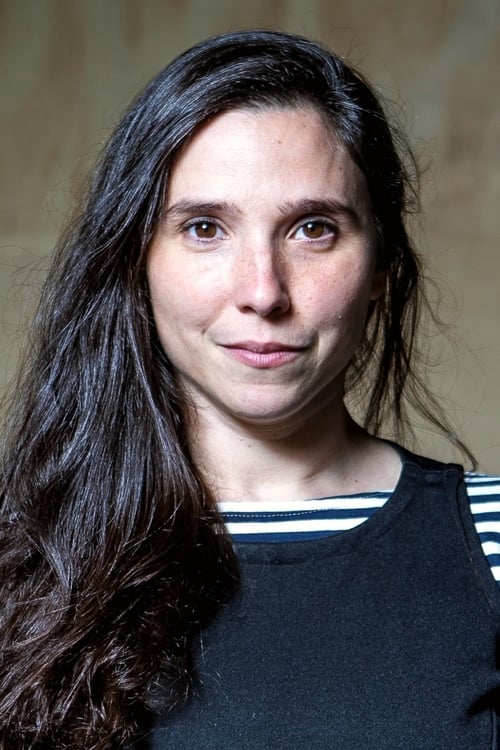
Laura Paredes (Buenos Aires, born August 16, 1980) is an Argentine theatre, film, and television actress and screenwriter. Her performance in the feature film Argentina, 1985 earned her a Best Supporting Actress nomination at the 71st Silver Condor Awards. That same year, she garnered widespread international acclaim as both the star and co-writer of Trenque Lauquen. For her writing on the film, ...
Enjoying the content? Support us!
Explore all movies appearances
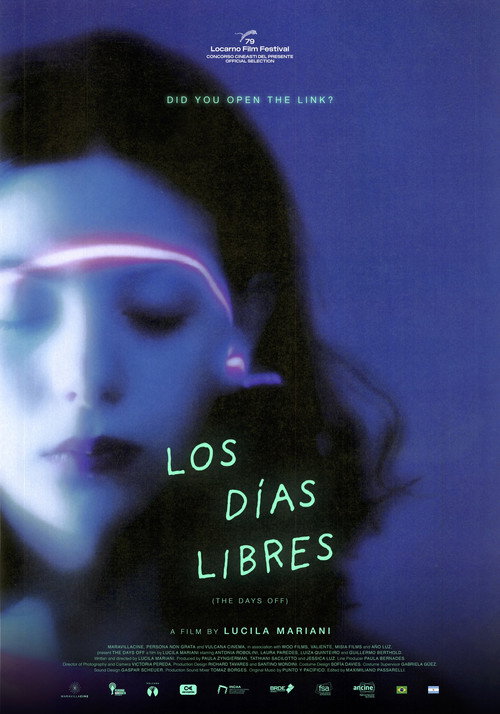
In the near future, during a relentless summer break and with a solar eclipse approaching, 12-year-old Bego struggles to find her place within her family and among girls of her age. As the moon seems to eclipse the animals and people around her, she meets REN__, an online friend, who introduces her to “shifting” – a practice where teens believe they can enter other realities through lucid dreaming.
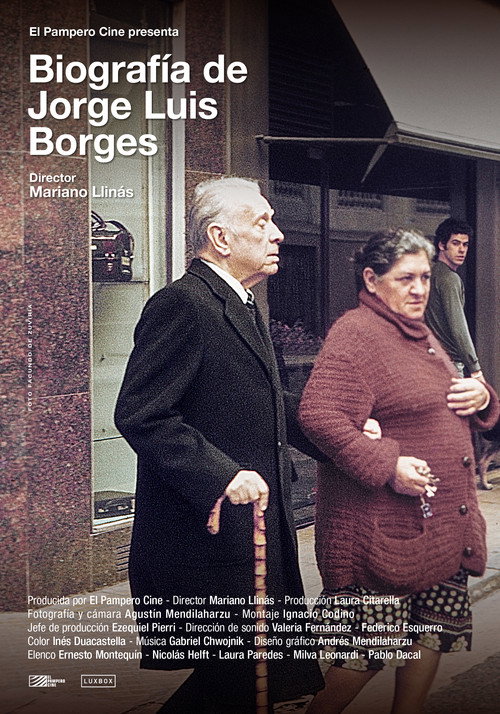
A biography of Jorge Luis Borges working from an exhaustive review of the papers he left, the books he read, the places he went to. And with this, an attempt to decipher a very peculiar life: someone who lived like a hidden, underground warrior, whose cause was literature, literature conceived as a kingdom and as a landscape. If Cold War spies fought from their desks or from an uninhabited house to defend their half of the world, Borges strove from a library to elevate and broaden the territories of his own tribe: the people for whom the most important part of the universe is books, plots and words. This film is devoted to that secret pilgrim (to borrow from Le Carré, the king of all spies).

In this genre-hopping road movie from Daughters of Fire director Albertina Carri, Violeta, the director of an amateur lesbian porn hit, is invited to make a mainstream crossover. With a budget and cast, but no firm idea where to go, the crew head off on a road trip in search of their perfect film.

Pin de Fartie unfolds as a playful spin on theatrical adaptation and an experiment in character dynamics. The film charts three relationships defined by Samuel Beckett’s 1957 play Fin de Partie (Endgame): one between a blind man and his daughter; another concerning two actors rehearsing that same text; the third following a man who reads his blind mother Beckett’s play and discovers that it reflects their lives.
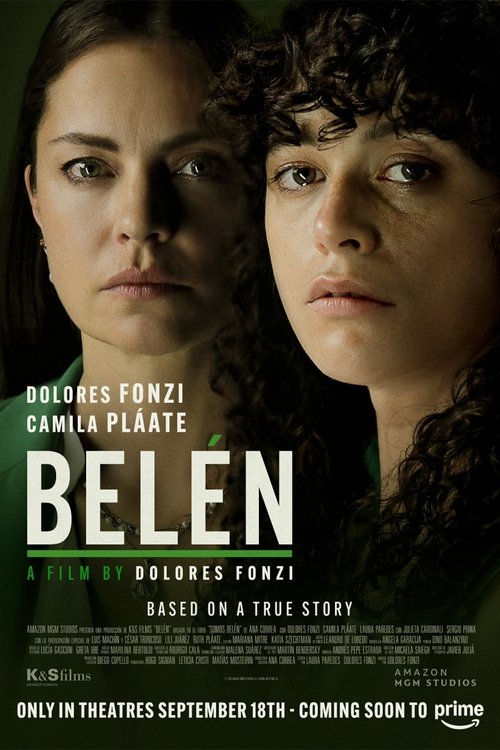
In the conservative northwestern region of Argentina, Julieta finds herself accused of infanticide after a medical emergency. With support from her attorney and women's rights advocates, she fights for justice in a landmark case that could change lives.

Nothing went as planned: what seemed to be an original idea (taking an international fashion event to a small town in the Argentine Pampas) ended up as a mysterious affair, with a mannequin who seems to have vanished, and who insists on leaving small clues scattered across the immense plains. But nothing seems to be too strange for Commissioner Sirota and her particular method which, this time, includes a clairvoyant, a legendary detective arriving from Santa Rosa and some picturesque “peritas” who choose to work at night, swinging to the rhythm of Ska. In the middle, a disturbing question: Is it a police case they are dealing with, or is someone taking them (the police, the whole town, the Italians – all of us, perhaps) for a fool?
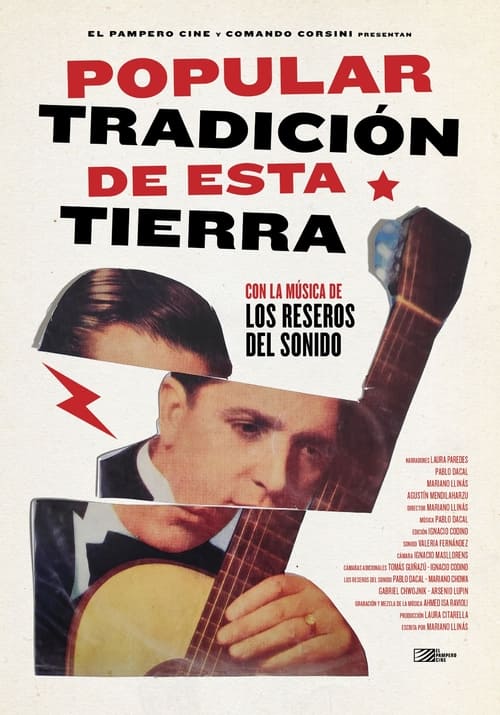
The second installment of the adventures of the Corsini Commando takes us this time to the Pampas plain, where Corsini grew up and forged a vision of the world that would accompany him throughout his life. The result of this excursion is an erratic wandering through the landscapes of the Homeland, its paradoxes and its ghosts: A land dreamed of by a newly arrived foreigner who imagined for himself a gaucho destiny that would never become completely real. Now then: is that not, in the end, the destiny of all things?
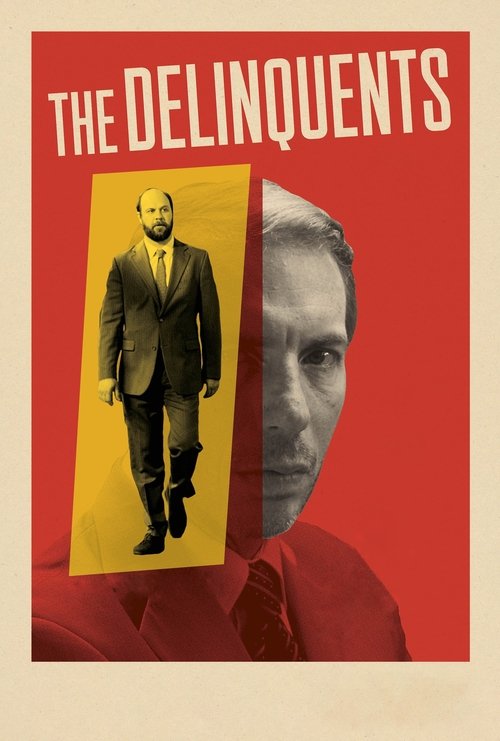
Morán works as a clerk in a bank in Buenos Aires. He is as good as invisible to his colleagues. Over dinner with his colleague Román, Morán tells him that he stole exactly $650,000, which is exactly double what he would have made until his retirement. He plans to turn himself in, but not before offering Román to split the money if agrees to hide it for the duration of his incarceration.
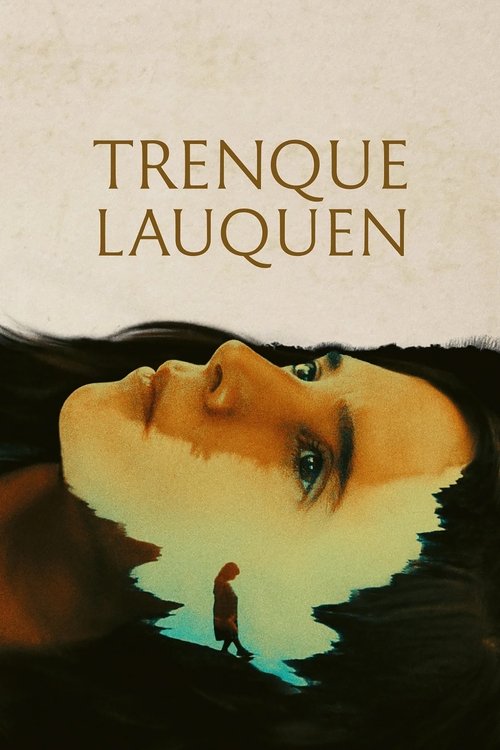
For the unique 2x25 project, the festival asked 25 composers to compose a short piece of music, after which 25 filmmakers made a short film. A short film by Laura Citarella with music by Eiko Ishibashi.
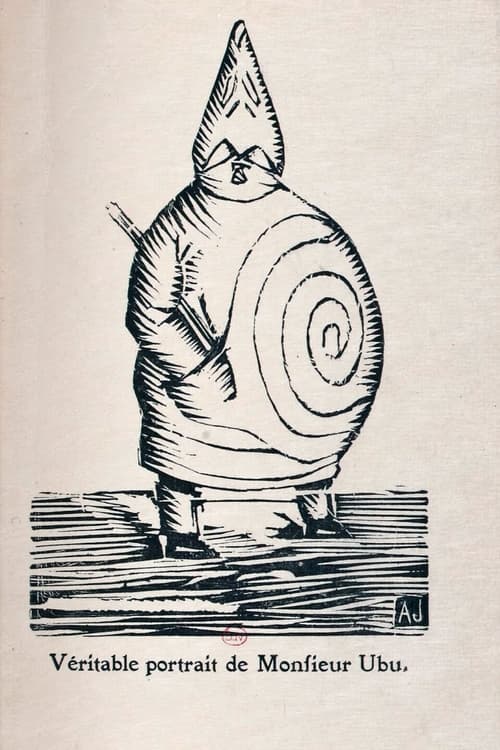
With scenes at times current and at others medieval, dramatic or overloaded with useless gestures, Jarry, Ubú Patagónico is a dialogue with “Ubú Rey”, by Alfred Jarry, and his decalogue about theatre. The work also explores Jarry's non-theatrical texts until the material is appropriated in its immateriality by a group of Patagonian Indians who take Mother Ubú prisoner.
Subscribe for exclusive insights on movies, TV shows, and games! Get top picks, fascinating facts, in-depth analysis, and more delivered straight to your inbox.