
Action
Adventure
Animation
Comedy
Crime
Documentary
Drama
Family
Fantasy
History
Horror
Music
Mystery
Romance
Science Fiction
Thriller
War
Western

Robert Towne (born Robert Bertram Schwartz; November 23, 1934 - July 1, 2024) was an American screenwriter, producer, director and actor. He was part of the New Hollywood wave of filmmaking. He is best known for his Academy Award-winning original screenplay for Roman Polanski's Chinatown (1974), which is widely considered one of the greatest screenplays ever written. He later said it was inspired ...
Not available
Enjoying the content? Support us!
Enjoying the content? Support us!
Explore all movies appearances
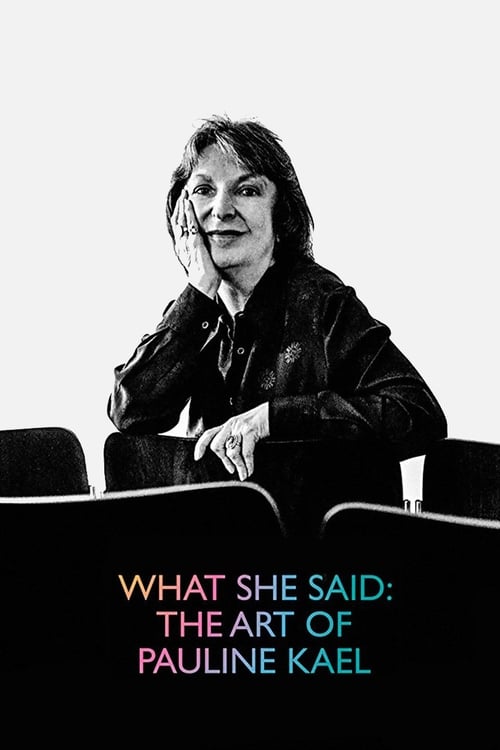
Pauline Kael (1919–2001) was undoubtedly one of the greatest names in film criticism. A Californian native, she wrote her first review in 1953 and joined ‘The New Yorker’ in 1968. Praised for her highly opinionated and feisty writing style and criticised for her subjective and sometimes ruthless reviews, Kael’s writing was refreshingly and intensely rooted in her experience of watching a film as a member of the audience. Loved and hated in equal measure – loved by other critics for whom she was immensely influential, and hated by filmmakers whose films she trashed - Kael destroyed films that have since become classics such as The Sound of Music and raved about others such as Bonnie and Clyde. She was also aware of the perennial difficulties for women working in the movies and in film criticism, and fiercely fought sexism, both in her reviews and in her media appearances.
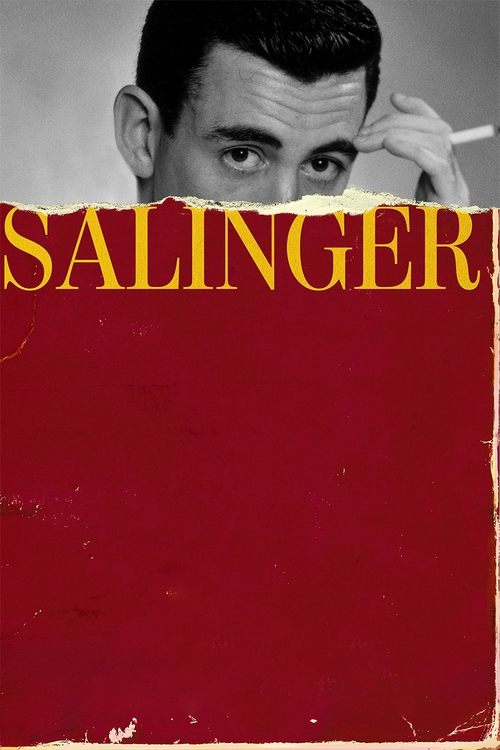
An in-depth investigation into the private world of the American writer J. D. Salinger (1919-2010), who lived most of his life behind the impenetrable wall of a self-imposed seclusion: how his dramatic experiences during World War II influenced his life and work, his relationships with very young women, his obsessive writing methods, his many literary secrets.

A short documentary tracing Mission: Impossible from TV series to film franchise, featuring clips and interviews with producer Paula Wagner, Tom Cruise, screenwriter Robert Towne, directors Brian De Palma, John Woo, and J.J. Abrams, and actor Jon Voight. It covers the TV show's influence on the first film, the plot and production challenges, casting and locations, the sequel's development, and beyond.
The making-of documentary of Bonnie and Clyde.
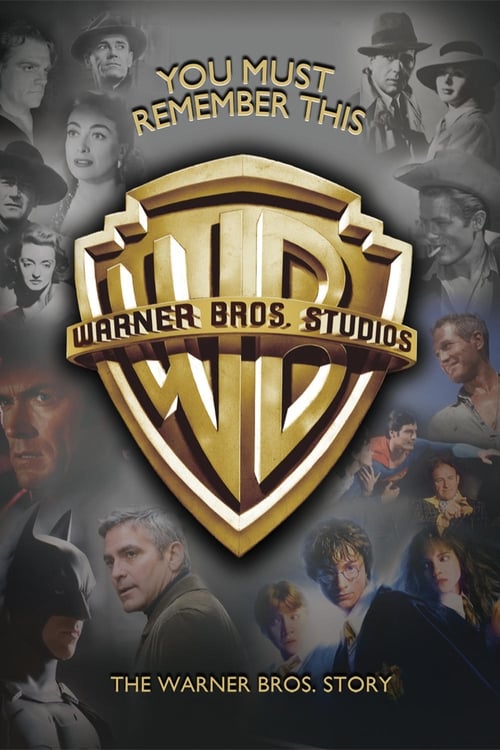
Jack L. Warner, Harry Warner, Albert Warner and Sam Warner were siblings who were born in Poland and emigrated to Canada near the turn of the century. In 1903, the brothers entered the budding motion picture business. In time, the Warner Brothers moved into film production and would open their own studio in 1923.
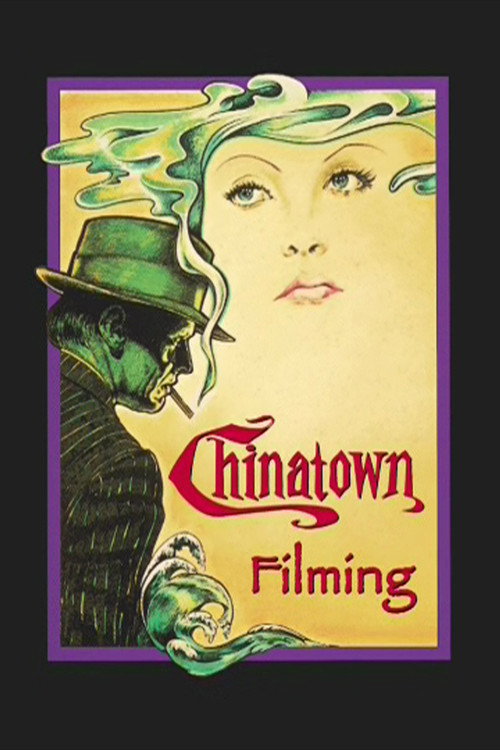
A three-part documentary produced by Laurent Bouzereau for the 2007 DVD release of Chinatown, featuring interviews with Roman Polanski, Jack Nicholson, Robert Towne, and Robert Evans.
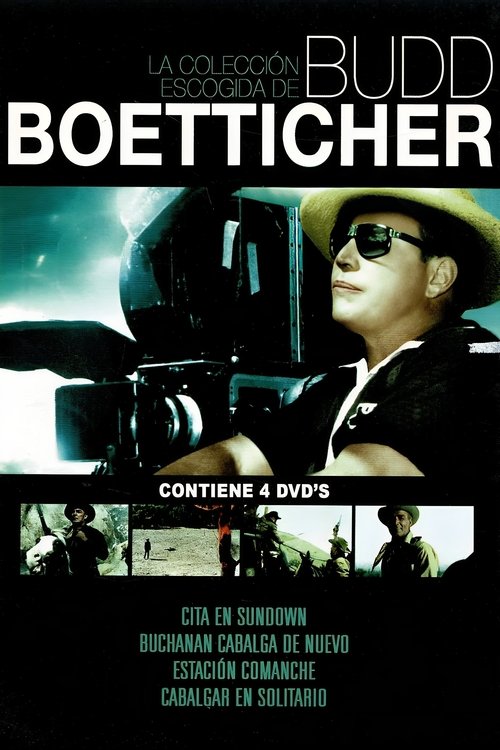
Documentary about filmmaker Budd Boetticher.
A killer is on the loose, and an FBI agent sifts through clues and learns that the bloodthirsty felon's victims of choice are other serial killers.
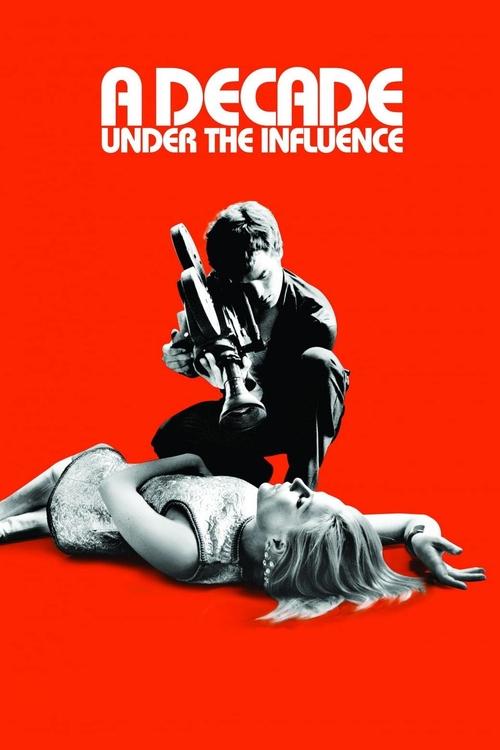
A documentary examining the decade of the 1970s as a turning point in American cinema. Some of today's best filmmakers interview the influential directors of that time.
illustrates how directors pushed boundaries and altered the art of filmmaking during the turbulent, swinging 1960s. Narrated by Woody Harrelson, "Reel Radicals" features clips from such seminal films as Arthur Penn's "Bonnie and Clyde" (1967); Mike Nichols' "The Graduate" (1967); Dennis Hopper's "Easy Rider" (1969); John Frankenheimer's "The Manchurian Candidate" (1962); Stanley Kubrick's "Dr. Strangelove" (1964) and "2001: A Space Odyssey" (1968); John Schlesinger's "Midnight Cowboy" (1969); Richard Brooks' "Elmer Gantry" (1960) and "In Cold Blood" (1967); and Norman Jewison's "In the Heat of the Night" (1967) and "The Thomas Crown Affair" (1968). Frankenheimer, Jewison, Hopper, Schlesinger, Penn, Buck Henry, Paul Mazursky, Roger Corman and Arthur Hiller are among the filmmakers who discuss the decade.
Subscribe for exclusive insights on movies, TV shows, and games! Get top picks, fascinating facts, in-depth analysis, and more delivered straight to your inbox.