
Action
Adventure
Animation
Comedy
Crime
Documentary
Drama
Family
Fantasy
History
Horror
Music
Mystery
Romance
Science Fiction
Thriller
War
Western

Elba Ramalho (born August 17, 1951, in Conceição, Paraíba) is a Brazilian songwriter, performer, poet and actress. She is sometimes called "The Queen of Forró". In addition to her successful solo career, Elba has collaborated with a number of well-established Brazilian acts, including Alceu Valença and her first cousin Zé Ramalho. In 2019, her album O Ouro do Pó da Estrada was nominated for the ...
Enjoying the content? Support us!
Explore all movies appearances

To mark the network's 60th anniversary, TV Globo, in partnership with the Brazilian Symphony Orchestra, celebrates the soundtracks of TV Globo's telenovelas.

No plot available for this movie.
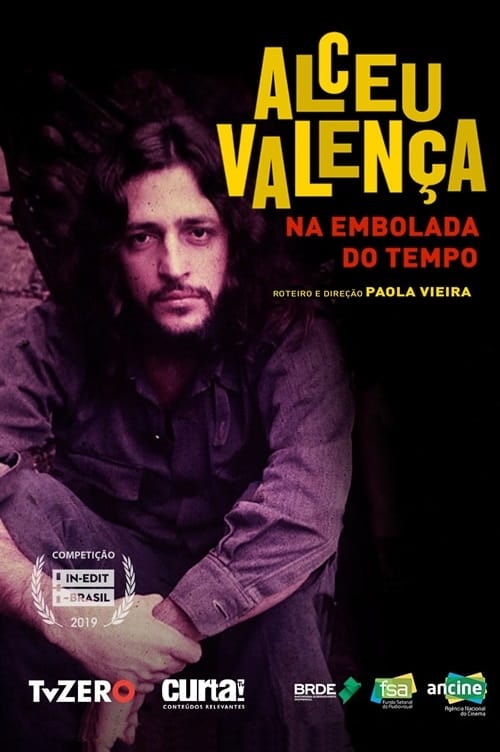
Musician Alceu Valença revisits his career, from his first contact with music, when he was still young, through the 1970s, when several names in music from the Northeast gained space on the scene.
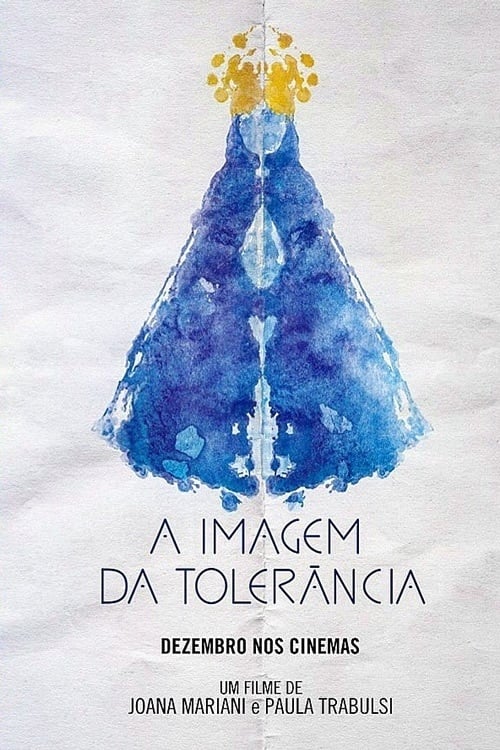
While the differences in religious beliefs tend to separate and divide, the image of Nossa Senhora de Aparecida is like her cloak, covering and protecting the body of her followers. Aparecida has devout followers of all social classes, religions and regions of the country. Aparecida is a symbol of the maternal heart, kindness and tolerance. All people fit underneath the mother’s cloak. Aparecida goes beyond the church which she represents and transcends the differences so that all feel welcome in her home. The film is constructed by different characters that have emotional, relevant and particular stories about their faith in Aparecida.
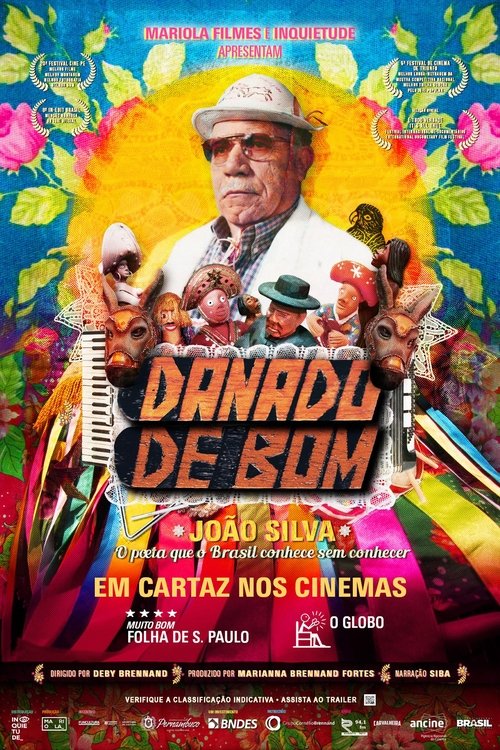
Born in Arcoverde, in the backlands of Pernambuco, the lonely boy who was raised by his father after his mother left, João Silva soon discovered a passion for the northeastern rhythms, such as the baião, xote and forró. He went to Rio de Janeiro when he was still a little boy to meet the idol Luiz Gonzaga. Both men, who were not very fond of each other when they first met, became not only great friends but also partners in many hits like “Doutor do Baião”, “Nem se Despediu de Mim” and “Pagode Russo”.
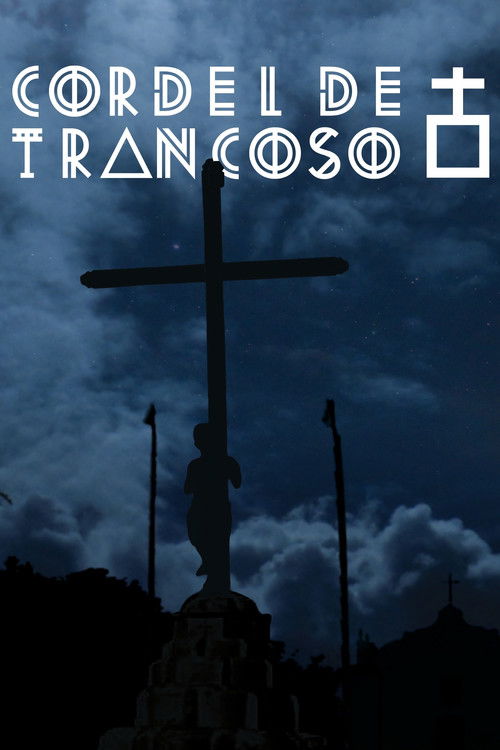
A historical paradise on the Bahia coast is transformed when hippies arrive in the 1970s. For 400 years, the village of Trancoso had protected its religious traditions and cultural habits, rooted in Jesuit foundations. With this sudden “discovery,” the once-isolated community began to attract travelers from around the world. The symbols and rituals of fishermen and farmers seemed destined to disappear. Yet something unexpected happened. The historic bubble burst, but the culture survived. Even while opening to the contemporary world, Trancoso preserved its centuries-old festivities blending Indigenous, African and Catholic-Portuguese origins. These celebrations and local stories form the narrative and poetic center of the film: resistance and coexistence shaping identity. The documentary invites us into the Feast of St. Sebastian, the heart of this transformation. “Cordel” becomes the key to unlock a hidden past — and to guard memories against the silent advance of modernity.

Documentary of the legendary 1985 music festival in Brazil.
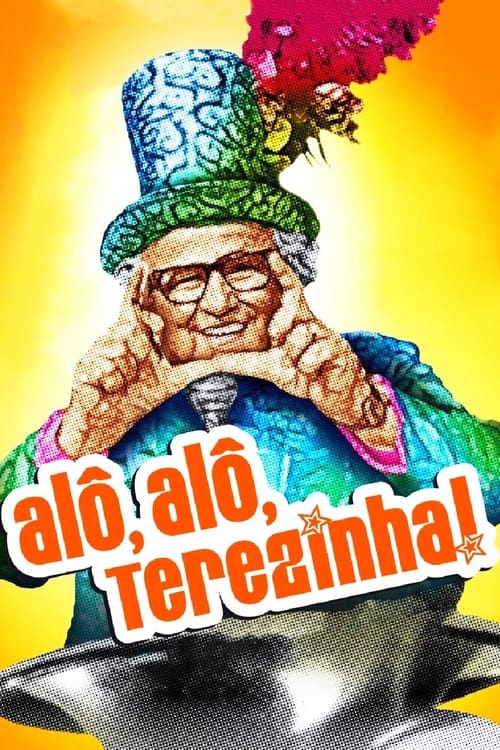
Hello, Hello, Terezinha! is a feature-length documentary about the country's biggest communication phenomenon. Politically incorrect, radical, renewing, Chacrinha changed Brazilian television forever and expressed a Brazil that was around it, but was not perceived. The film tells the great adventure of Abelardo Barbosa through the eyes of the presenter. It gathers the nuclei of its constellation - chacretes, fledglings and artists who passed through its programs - to identify their individualities and their emotions.
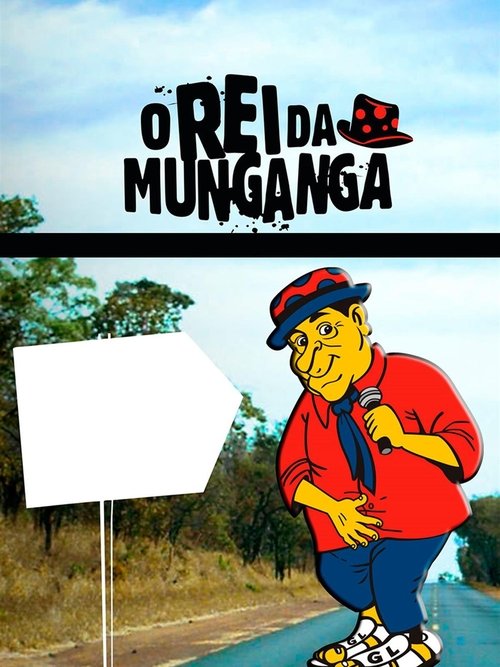
No plot available for this movie.
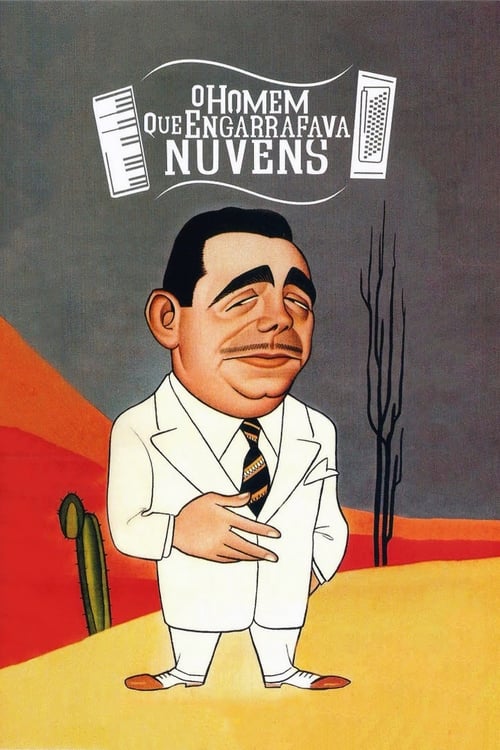
A host of personalities reminisce about the life and work of songwriter, lawyer, and congressman Humberto Teixeira — aka "Baião Doctor" — the author of such classic Brazilian popular songs as "Asa Branca". A musical film about the baião, a movement in Brazilian music in the 1940s and 1950s that was later snowed under by samba and bossa nova.
Subscribe for exclusive insights on movies, TV shows, and games! Get top picks, fascinating facts, in-depth analysis, and more delivered straight to your inbox.