Action
Adventure
Animation
Comedy
Crime
Documentary
Drama
Family
Fantasy
History
Horror
Music
Mystery
Romance
Science Fiction
Thriller
War
Western
Explore all movies appearances
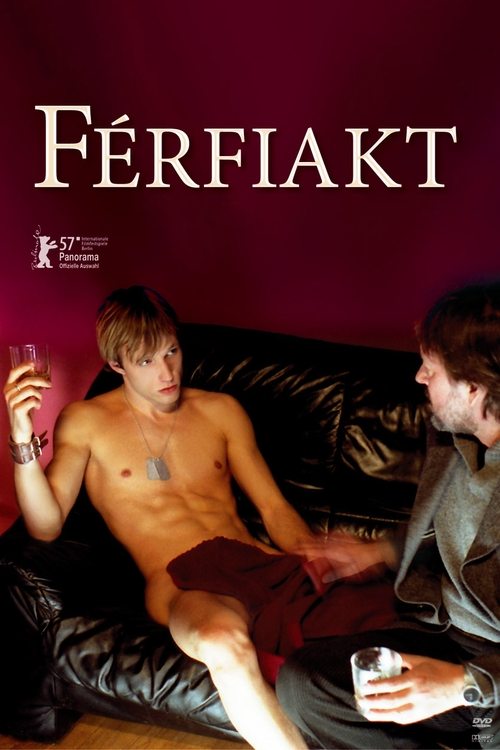
A gay affair between an aging middle-aged writer, and a young streetwise hustler.

Kata, in her 20s, loses her boyfriend and her job on the same day. She's been indulging in fantasies of a more thrilling romantic life, and the cold water of being alone and unemployed doesn't entirely dampen her imagination. She's egged on by three girlfriends who get together to talk about men and sex. Kata has possibilities: she meets David, a medical student; there's Tamás, a stranger on a train who might be good for a relationship and a job. There's also Miki, her brother who's had serious drug problems. Is fulfillment within her grasp?
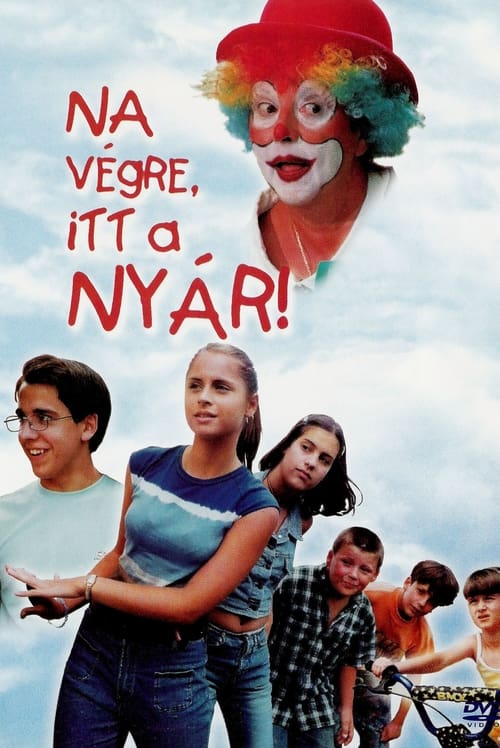
When the home where they grew up and spent the best days of their childhood is threatened, a group of kids bands together to try and save it.
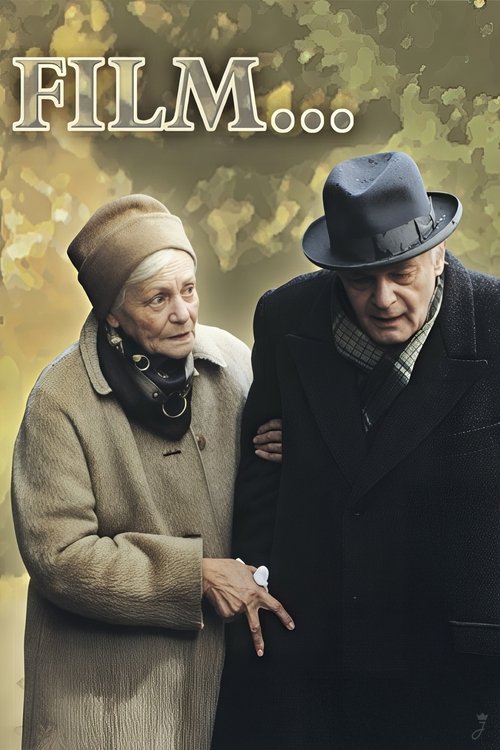
Miklós Mészöly's short novel Film aims to show the last few hours of an elderly couple's life. The last moments of two people who, in the midst of historical storms, inhumanity and loss of values, remained together in the strange grip of love and dependence. The most moving is the formulation of the fundamental question: can we and can we say goodbye with dignity, how much we are lost and vulnerable when we set off into the unknown.
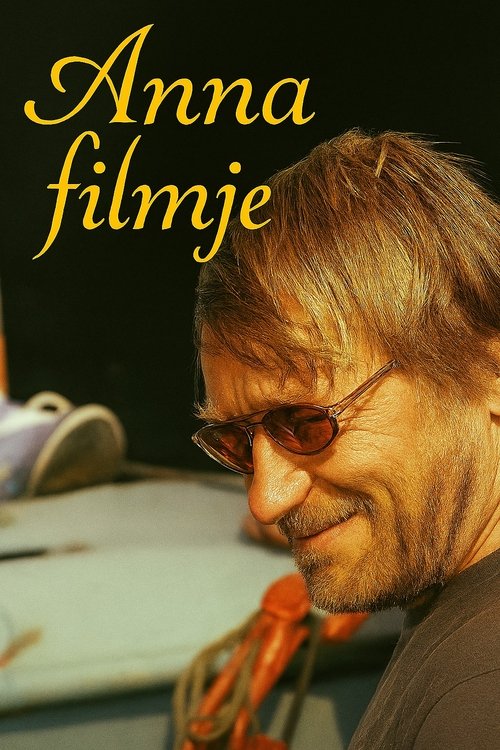
One summer morning, Anna tells her husband, the writer, that she is in a blessed state, but that she doubts whether she should have a fourth child in addition to the three she already has, because "having children here is, to put it mildly, illogical". This decision is explored in the film as events of the present are interspersed with memories of the past.
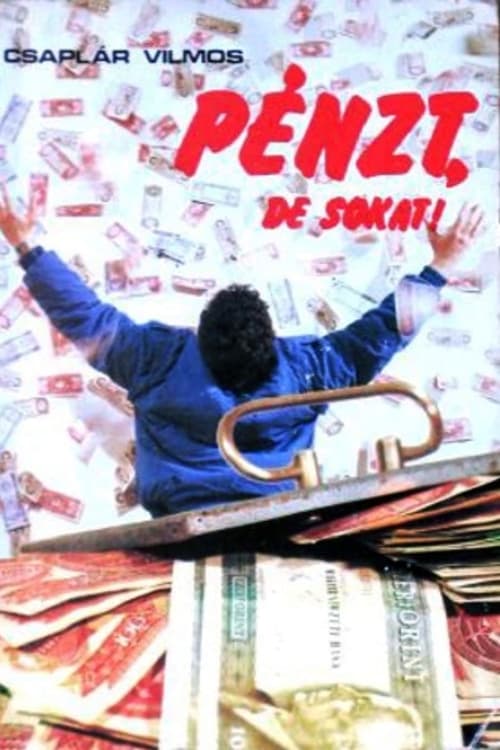
The story of Béla Váraljai takes place just before the changes, in the late 1980s. How does a talented and unscrupulous restaurateur make a career in Hungary? How much work and energy does it take to achieve your goal? Béla Váraljai proves that it is possible, if you believe.

International peace conference, events take place in the last week of 1899. Tragic love story between Vilma, daughter of the Austro-Hungarian envoy/ambassador, and Zoluk of Montenegro.
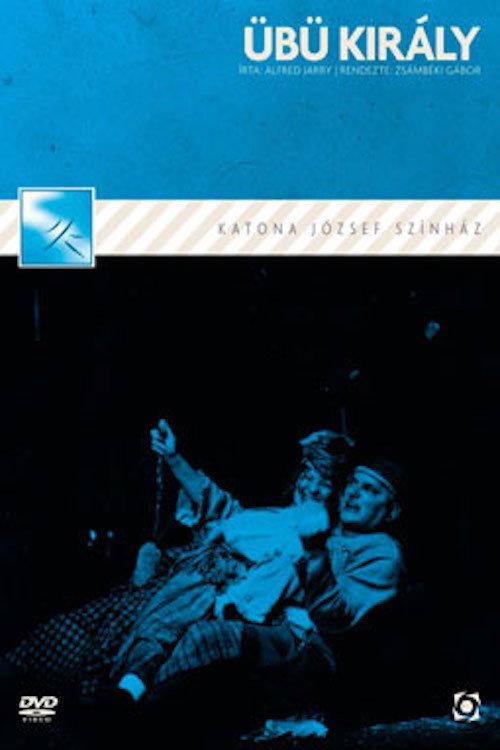
The Empty King created a mythical figure and a whole world from grotesque, archetypal images. The drama was originally conceived as a student tirade against a teacher at Jarry's school, the Lyceum of Rennes. This teacher, Hébert, was the target of public ridicule. In 1888, at the age of 15, Jarry wrote a puppet play about the exploits of the Woolly Tartar and staged it to the amusement of his friends. The figure of Übü is a crude, cruel caricature of the foolish, selfish bourgeoisie as seen through the unrelenting gaze of a schoolboy; but this Rabelaisian figure, in all his falstaffian greed and cowardice, is more than a mere social satire. It is a terrifying picture of man's animal nature, his evil and cruelty. The Katona József Theatre in Budapest premiered Jarry's play in 1984, and it ran continuously for more than 10 years.
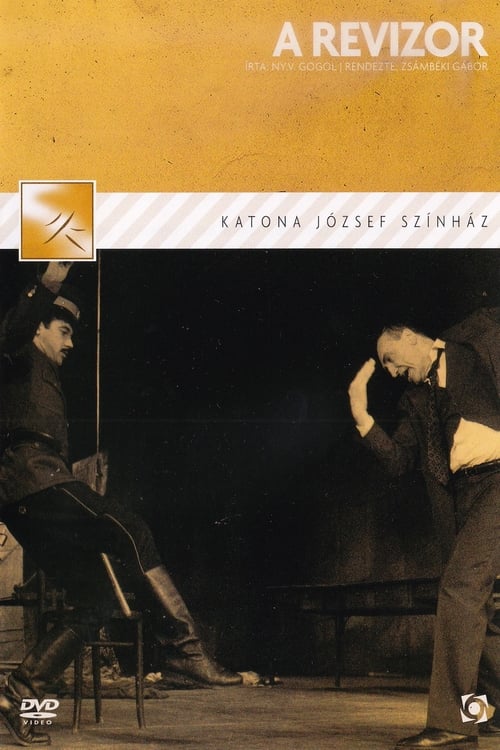
The corrupt leaders of a small rural town learn that an auditor is coming from St Petersburg. Frightened, they try to put things in order. Hlesztakov, a Petersburg official, has been starving for days in his inn in the small town, having gambled away all his money and no credit. In a misunderstanding and a bit of backstabbing, the town's corrupt leaders mistake him for an auditor. The bureau chiefs are watching his every move, and the mayor's daughter is a hit. When he leaves, the whole town celebrates and expects him back for a wedding. But a letter reveals the fraud, and at the same time the real auditor arrives.
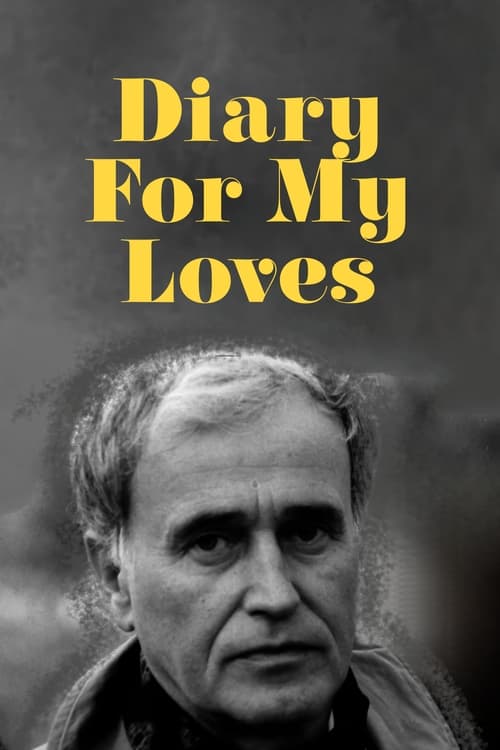
A continuation of "Diary for My Children," the film picks up in 1950, when Juli, the diarist, is 18 and determined to become a movie director.
Subscribe for exclusive insights on movies, TV shows, and games! Get top picks, fascinating facts, in-depth analysis, and more delivered straight to your inbox.