
Action
Adventure
Animation
Comedy
Crime
Documentary
Drama
Family
Fantasy
History
Horror
Music
Mystery
Romance
Science Fiction
Thriller
War
Western
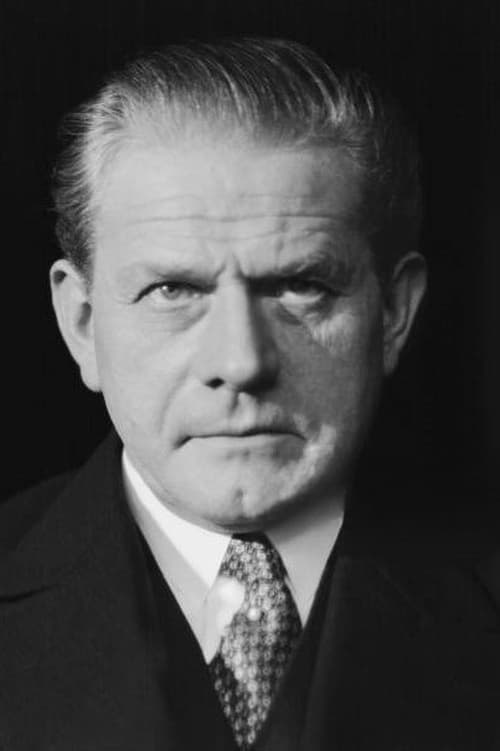
Friedrich Kayßler was born on April 7, 1874 in Neurode, Lower Silesia, Germany [now Nowa Ruda, Dolnoslaskie, Poland]. He was an actor, known for Bismarck (1940), The Hound of the Baskervilles (1937) and Gold (1934). He was married to Helene Fehdmer and Luise. He died on April 30, 1945 in Kleinmachnow, Potsdam-Mittelmark, Brandenburg, Germany.
Not available
Enjoying the content? Support us!
Enjoying the content? Support us!
Explore all movies appearances

No plot available for this movie.
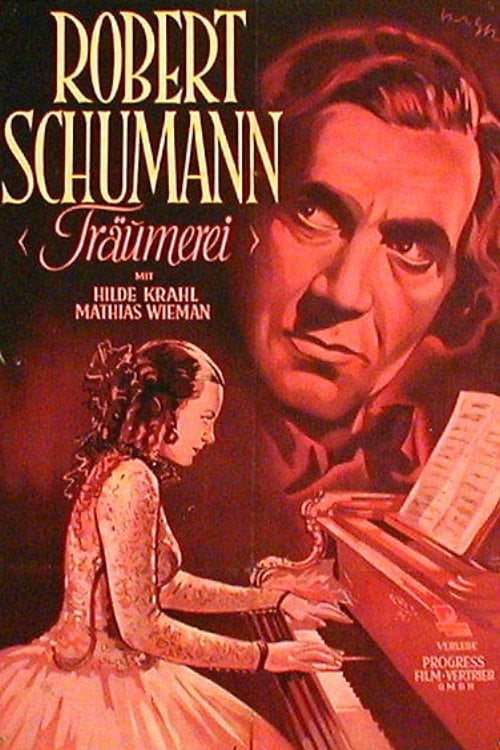
A musical film based on biographical facts about Clara Wieck's love for composer Robert Schumann (1810-1856), her marriage against her will, Schumann's triumph, and his tragic end due to mental illness. The film is beautiful and entertaining, full of noble spirit and beautiful words about art and love, which only conflict in a theoretical context; not least thanks to its solid cast, this film is quite serious and far from kitsch. Completed in 1944, during World War II, the film was rejected by the Nazi leadership, but was eventually released and enjoyed success with an audience already weary of war.
The river level rises, the dam can no longer hold back the floodwaters – it breaks. Panic erupts, everyone tries to save at least some of their belongings from the rising waters. Those who manage it flee to the farm of old dike captain Doorn. His sons, Peter and Heinrich, help wherever they can. In doing so, they save the local schoolteacher and his beautiful daughter, Renate, from certain death. Both men love Renate, but this rivalry is not the only reason the brothers become enemies. While Heinrich, a trained engineer, advocates for river regulation to prevent further dam breaches, Peter vehemently argues for reinforcing the dam. When old Doorn dies and Peter proves to be the sole heir, Heinrich leaves home.
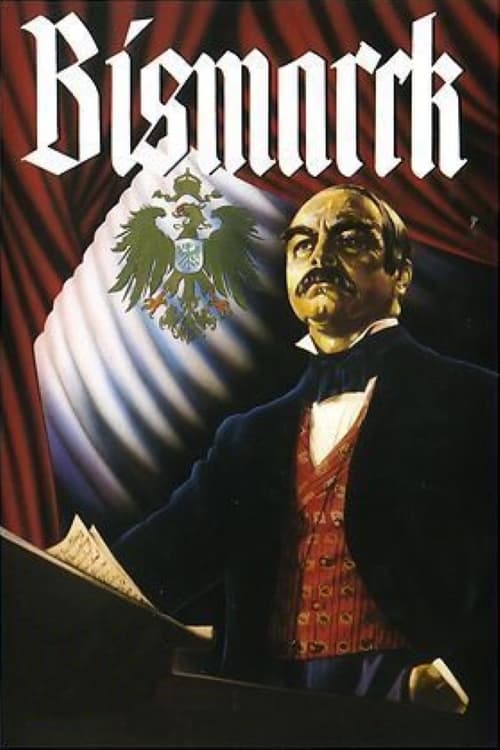
A biographical film of Otto von Bismarck, the Prime Minister of Prussia, and how he and his policies - including aggressive war - helped to unite Germany.

An English peace judge in an Irish district is married to an Irishwoman. She is a caring patriot. He is heavily indebted by a life of luxury, and doesn't shy away from dark deeds to maintain his lifestyle. Anti-Britsh propaganda film.
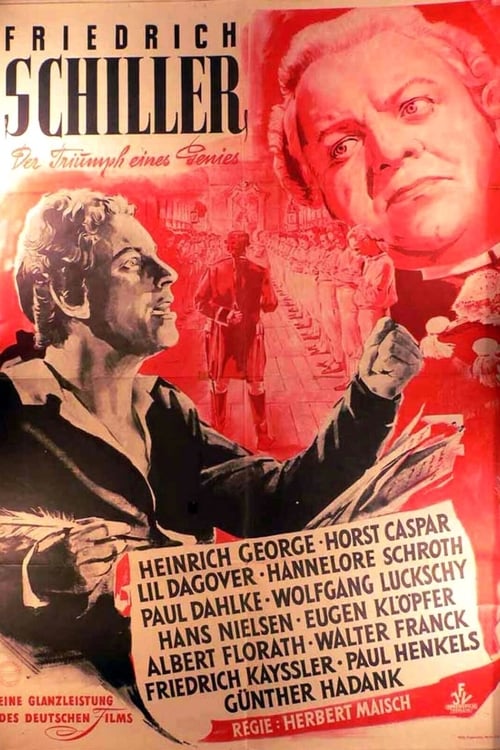
The young Schiller, whose heart and soul are writing and poetry, is forced into the military academy (the pride and joy of the Duke of Württemberg). Schiller is disgusted by the everyday routine of the military, always back and forth between breeding and drills. Conversation, conflict or even critique are discouraged – the oppression insufferable for the young rebel. Disgusted by the brutality, he writes his drama "The Bandit", which he would later publish anonymously. But following a frank conversation with the Duke, Schiller is dishonored and must leave the land.
Once a celebrated opera singer, who sacrificed her career for her husband. Now she strives to become a successful painter. One day, the husband suffers a fatal accident while out horse riding. A short time later, Angelika shoots the art dealer Immerzeel. The court is unable to figure out the facts around the shooting, but assume that Immerzeel was her lover and sentence her to four years imprisonment for manslaughter.
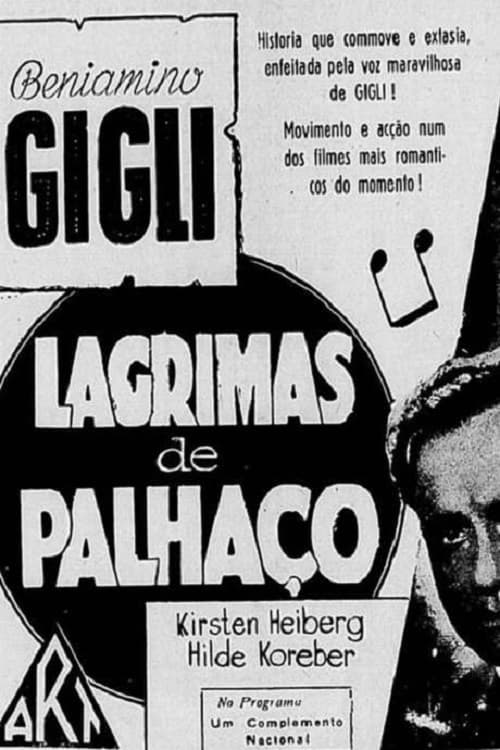
No plot available for this movie.
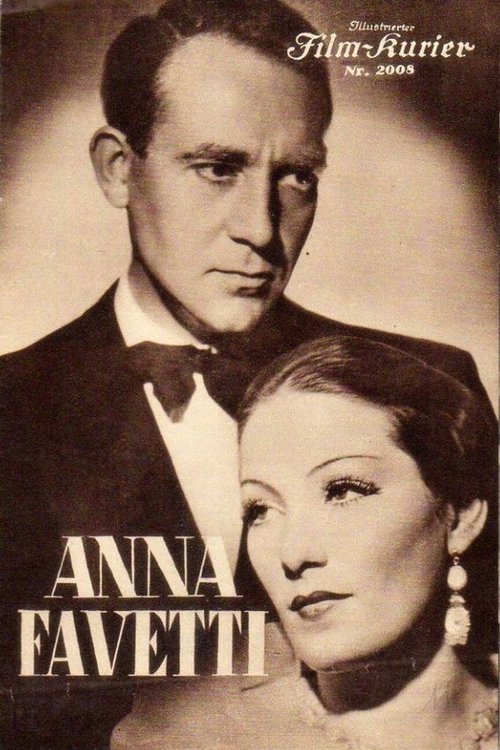
The daughter of a reclusive couple in the St. Moritz mountains tends to her brother, disabled from the Great War, though a handsome young architect who has just arrived waits for her attentions.
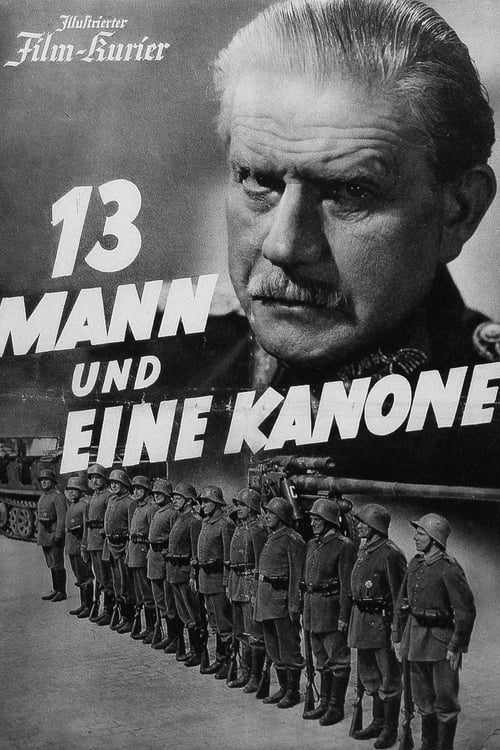
World War I, Eastern Front. A special battery consisting of thirteen soldiers and one cannon successfully holds back the enemy. But then the position of the gun is betrayed to the Russians and the cannon is destroyed. Each of the thirteen men is now suspected of being the traitor.
Subscribe for exclusive insights on movies, TV shows, and games! Get top picks, fascinating facts, in-depth analysis, and more delivered straight to your inbox.