
Action
Adventure
Animation
Comedy
Crime
Documentary
Drama
Family
Fantasy
History
Horror
Music
Mystery
Romance
Science Fiction
Thriller
War
Western
Explore all movies appearances

Alexander Kluge and Hartmut Bitomsky discuss the film Staub (Dust). Dust is called “matter in the wrong place.” In fact, dust is an irresistible state of dissolution at the beginning and end of all things and living things.
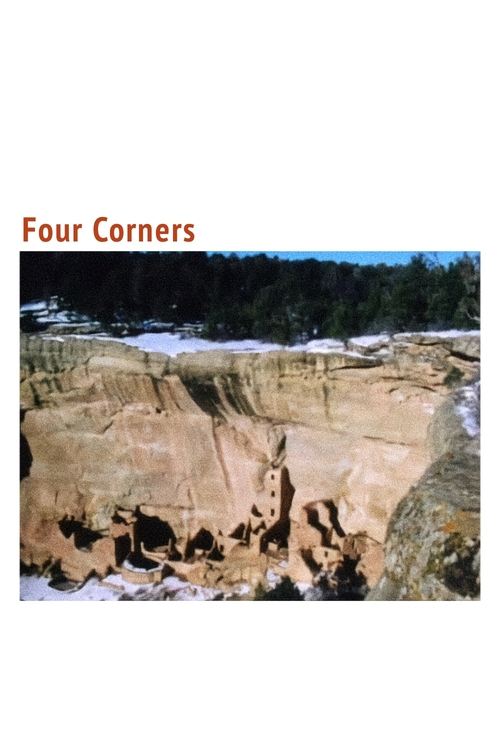
James Benning's "Four Corners" uses a specific geographical location to pose larger questions about the United States. Here, the geographic and wholly imaginary place Four Corners, that favorite tourist destination where Colorado, New Mexico, Arizona, and Utah meet, becomes a kind of theoretical ground zero, the site from which Benning can give voice to other, pointedly unofficial American stories.

Barrage and Bunker is an essay film about the (narrative) space imagined by fiction films. Reflections and associations about movement in space are the basis of every kind of story-telling. The film is sometimes referred to as part of Bitomsky's Cinema Trilogy. Sequences from over 20 movies are quoted and commented on by a team of three "researchers" (Bitomsky, Petzold, Tanner) in a sort of laboratory. TV-monitors, production stills and screenshots are used as well as quotations from books. A long night's work.
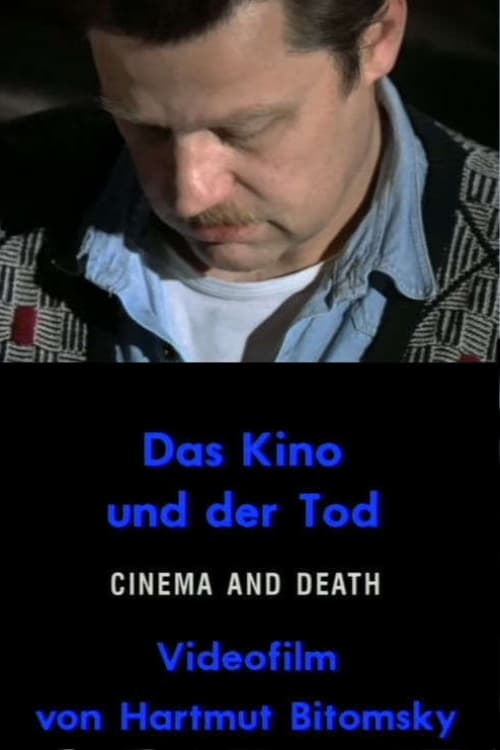
“Why does cinema need death, when it can’t show it?” The filmmaker’s monologue and the discourse of images meet
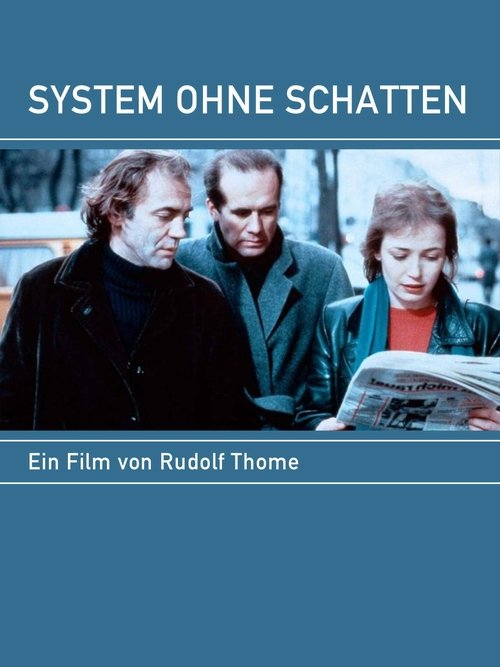
Computer operator Faber works on securing computers for big companies and banks. His private life is rather dull until he meets a strange women, Juliet and falls in love. Her friend convinces Faber to exploit his knowledge to rob a bank.
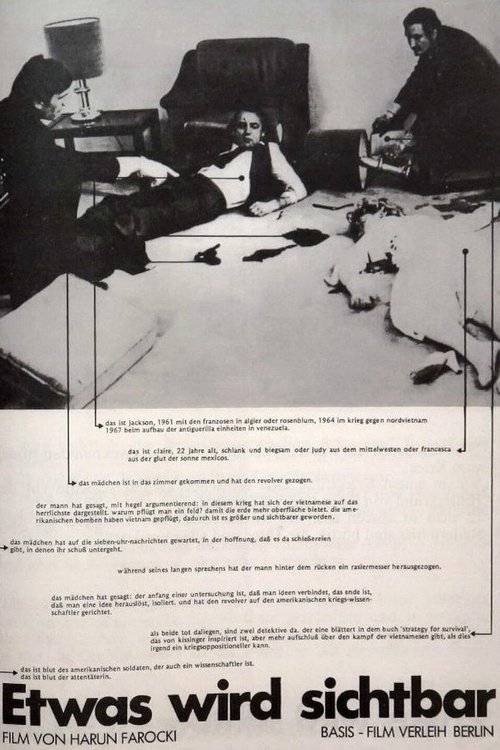
Before Your Eyes – Vietnam (1982) is an unconventional essay film by Harun Farocki that interrogates the visual and ideological legacy of the Vietnam War. Blending staged scenes, archival footage, photographs, and philosophical dialogue, the film follows various characters — including an American soldier captured by North Vietnamese villagers — as they reflect on violence, memory, and image-making. Set partly in West Berlin and partly in reconstructed spaces representing Vietnam, the film avoids traditional dramatic narrative in favor of a fragmented montage of voices, documents, and reenactments. Interweaving love stories, political debate, and historical commentary, Farocki creates a critical reflection on how war is represented, seen, and imagined, both in cinema and in public consciousness. The result is a complex meditation on images as weapons and instruments of perception.
An issue of the magazine Kino 81, designed for the film department of WDR by staff of FILMKRITIK

A West Berlin doctor, married with a two-year-old child, leaves her husband to go to Munich to work in the birth clinic of a hospital. Her husband doesn’t know that she’s pregnant with their second child. Will she have to choose between motherhood and her career?
An educational film about an aspect of political economy. The concepts of use value, barter value and labor as a commodity are the subjects; they are intended to introduce the process of understanding the theory of value of work and the law of values, alienation and fetish.
Straschek's film points to the gap between workers and intellectuals and describes the "difficulties of the revolution" in a biting and witty way.
Subscribe for exclusive insights on movies, TV shows, and games! Get top picks, fascinating facts, in-depth analysis, and more delivered straight to your inbox.