
Action
Adventure
Animation
Comedy
Crime
Documentary
Drama
Family
Fantasy
History
Horror
Music
Mystery
Romance
Science Fiction
Thriller
War
Western
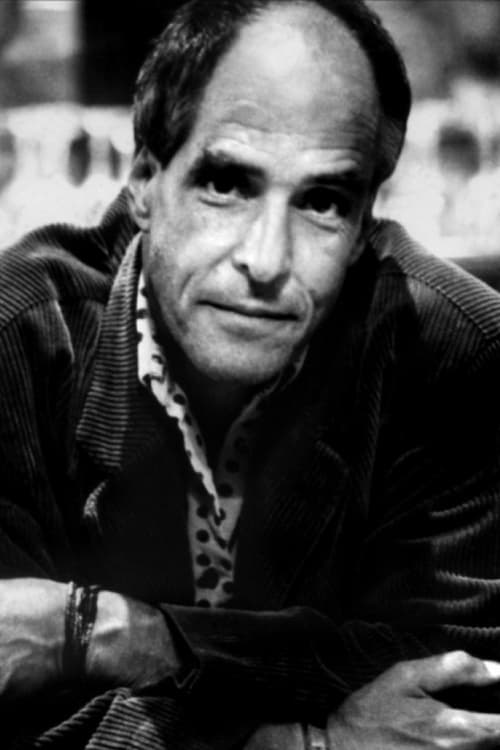
Robert Kramer (June 22, 1939 – November 10, 1999) was a left leaning American film director, screenwriter and actor. He directed 19 films between 1965 and 1999, most of them political cinema made from a left-wing point of view. His film À toute allure was entered into the 1982 Cannes Film Festival. Description above from the Wikipedia article Robert Kramer, licensed under CC-BY-SA, full list of c...
Not available
Enjoying the content? Support us!
Enjoying the content? Support us!
Explore all movies appearances
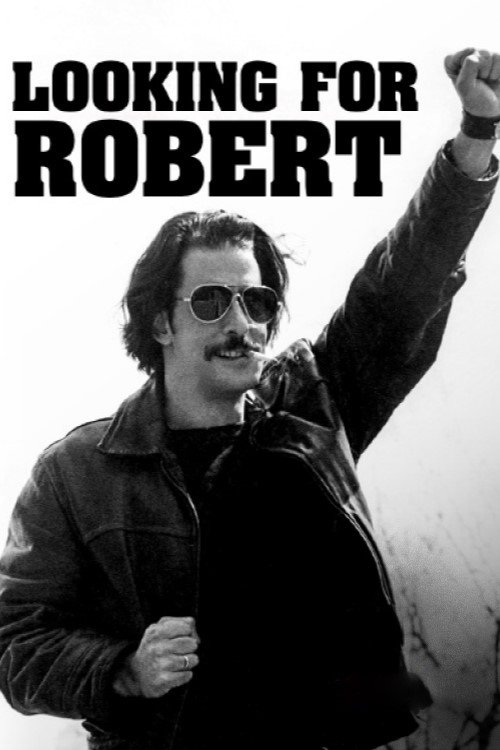
“I talk about my 20 years of work with the filmmaker Robert Kramer, who died in 1999. It is an account of the gestures and practices of this filmmaker. A way of recalling the central place he attributed to experience to better circumvent the pitfalls of the scenario. It is also the story of a friendship that transformed me. » (Richard Copans)

This last testimony of Robert Kramer (1939-1999) is a moving documentary with the independent American film director, in which he speaks of his political activism, his way of filmmaking, his relationship with Portugal and the revolutionary movements.
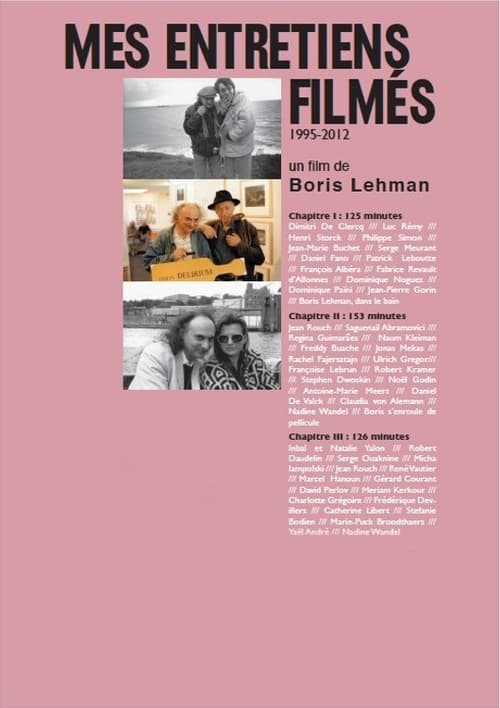
This distinctly personal journey into the artistic possibilities of independent film is not to be missed. Jonas Mekas, Jean-Pierre Gorin, Robert Kramer and many other visionaries and mavericks of the silver screen – as well as a book seller, a critic and a psychoanalyst – discuss what cinema has meant to them, what it is and what it could be and, implicitly, how it has changed over the 18 years in which this film was shot. Director Boris Lehman leads the charge, drawing in moments of absurdist humour and inventive camera work; he keeps things raw and spontaneous. His encounters with the now much-missed Jean Rouch and Stephen Dwoskin are particularly touching and stand testament to their personal playfulness and candour. An engaging, absorbing, epic odyssey of a movie.
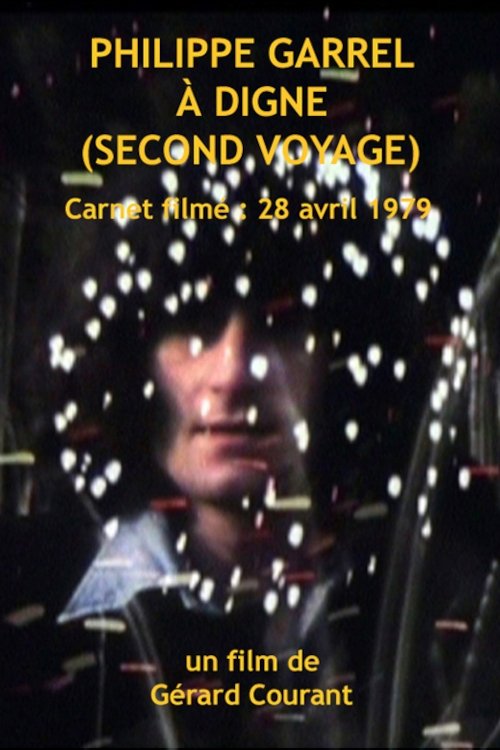
On the occasion of the 7th meetings of Digne, Pour un autre cinéma, organized by Pierre Queyrel and which presented a retrospective of Philippe Garrel's cinematographic work, this film is the sound recording of the discussion that the filmmaker made with the audience after the screening of his films Marie pour mémoire, Athanor, Voyage au jardin des morts and Le Bleu des origines.
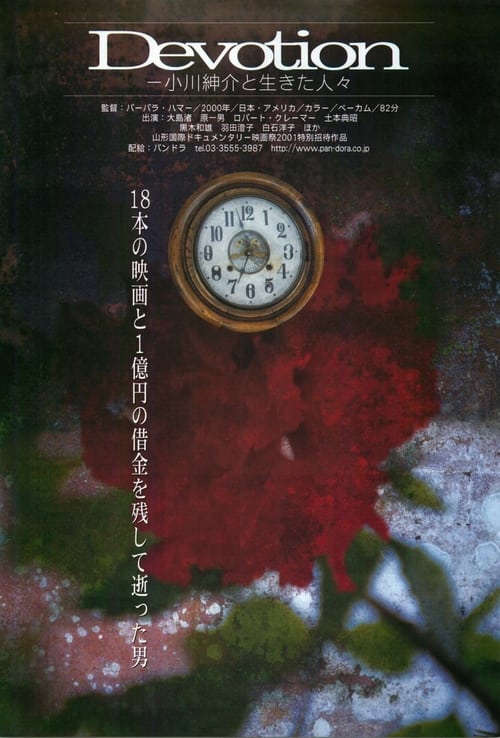
Devotion investigates the extremely complex and heirarchical relationships among a committed group of Japanese filmmakers who dedicated up to 30 years of their lives making films for one man-Ogawa Shinsuke. Members of Ogawa Pro filmed the student movement of the late 60's; the fight by farmers to save their land from government confiscaton for the Narita airport at Sanrizuka; and the village life of a small farming community, Magino Village, in northern Japan. These heartbreaking and sometimes funny stories have never been told on film before. Rare footage, stills, and diaries with interviews with Oshima Nagisa, Hara Kazuo and Robert Kramer make this historical inquiry visually exciting as well as valuable.
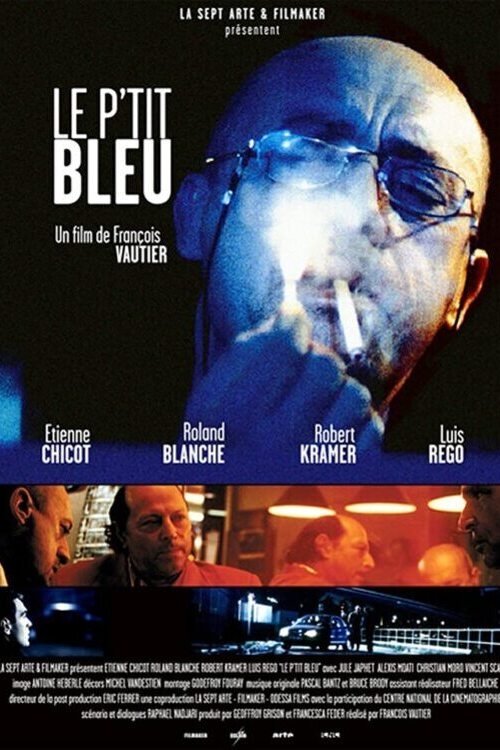
Lucien Lourmel, in his fifties, lonely and tired, runs the nightclub "P'tit Bleu", where young talent performs. He is a member of a mafia-like organization that he runs with two friends
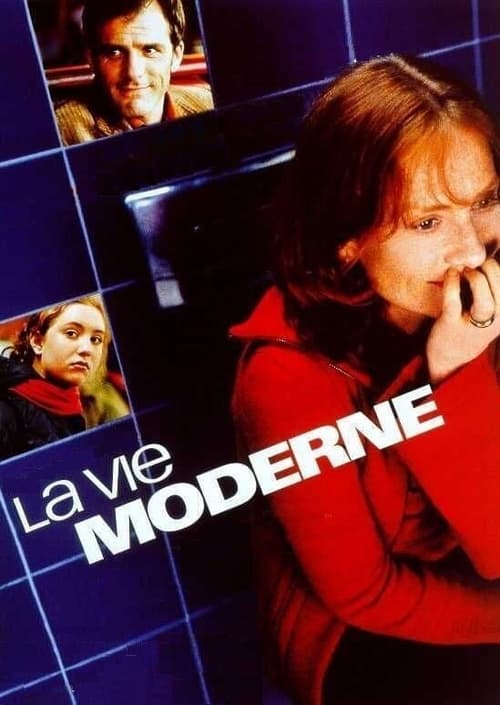
The lives of three people faced with an uncertain future. Marguerite, 17, is uncomfortable with her family enviroment and turns to God. Claire, who desperately wants a child, encounters again a former lover. Eva asks the unemployed Jacques, who has been left by his wife and his daughter, to find a missing friend.

The Portuguese Revolution (1974-75) seen through the eyes of some of the most important photographers and filmmakers that witnessed the event. Their dreams and expectations and what came out of the revolution. With outstanding historical footage.
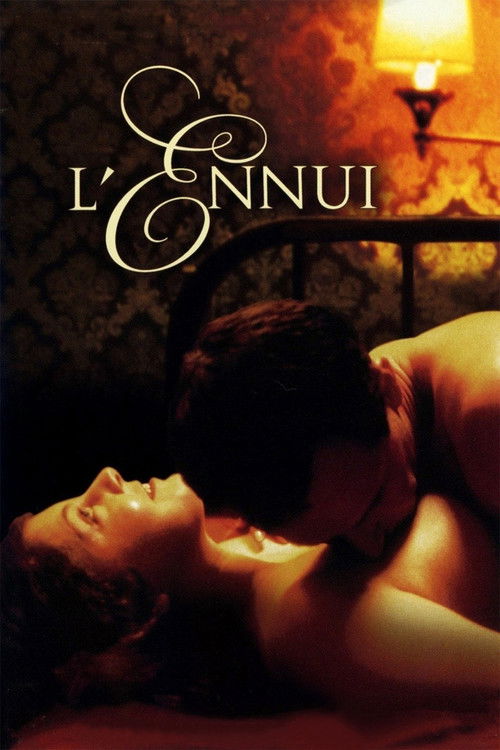
A philosophy teacher restless with the need to do something with his life meets a young woman suspected of driving an artist to his death. He finds the very simple Cecilia irritating but develops a sexual rapport with her. Obsessed with the need to own and tormented by her inability to respond to him, he becomes increasingly violent in a quest he can't name - a quest that slowly begins to undermine his certainties.
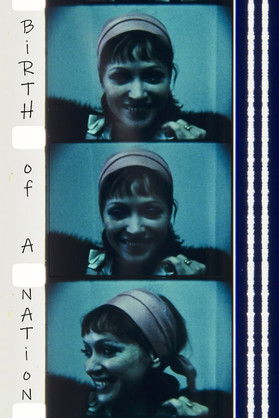
Jonas Mekas assembles 160 portraits, appearances, and fleeting sketches of underground and independent filmmakers captured between 1955 and 1996. Fast-paced and archival in spirit, the film celebrates the avant-garde as its own “nation of cinema,” a vital community existing outside the dominance of commercial film.
Subscribe for exclusive insights on movies, TV shows, and games! Get top picks, fascinating facts, in-depth analysis, and more delivered straight to your inbox.