
Action
Adventure
Animation
Comedy
Crime
Documentary
Drama
Family
Fantasy
History
Horror
Music
Mystery
Romance
Science Fiction
Thriller
War
Western

Vivien Leigh (born November 5, 1913, Darjeeling, India—died July 8, 1967, London, England) was an English actress renowned for her roles in Hollywood and British theater. She won two Academy Awards for Best Actress, portraying Scarlett O’Hara in Gone with the Wind (1939) and Blanche DuBois in A Streetcar Named Desire (1951), both performances that solidified her place among the greatest actresses ...
Not available
Enjoying the content? Support us!
Enjoying the content? Support us!
Explore all movies appearances

Flashing images of Vivien Leigh and Marlon Brando taken from A Streetcar Named Desire (1951)
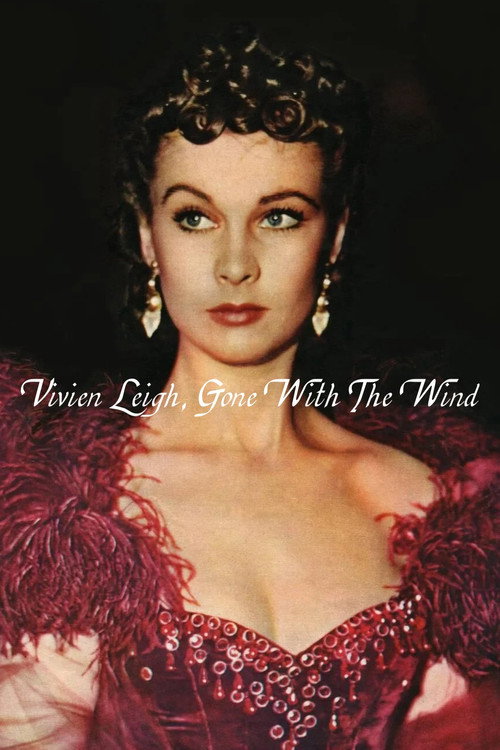
In "Gone with the Wind" she was an unforgettable Scarlett O'Hara. Beauty, two-time Oscar winner, celebrated Hollywood star and great Shakespearean interpreter - Vivien Leigh was all that. Behind the celebrity, however, was a fragile person. Her bipolar disorder clouded her success and her private happiness.
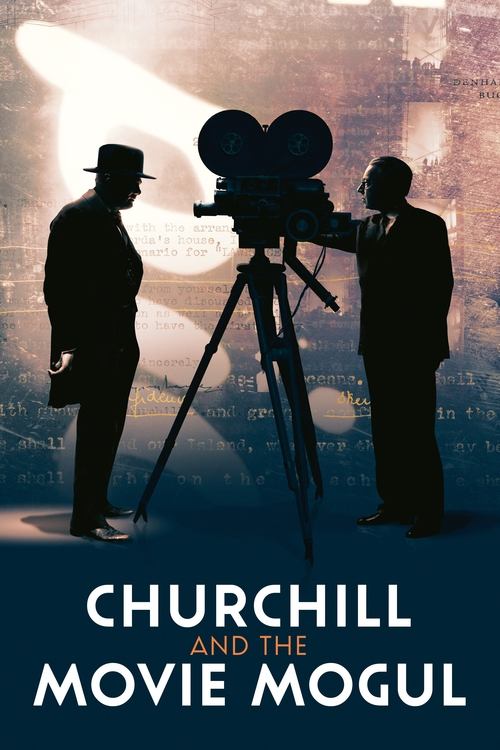
Winston Churchill understood the power of films, but the true extent of his use of cinema as a propaganda tool is rarely explored. In 1934, one of Britain's most celebrated film producers, Alexander Korda, signed Churchill up as a screenwriter and historical advisor. It was the start of a unique collaboration. Churchill provided script notes for Korda's productions and penned an epic screenplay. When war broke out, their collaboration took on national importance. Korda was sent on a mission to Hollywood to help bring America into the war, with positive results. With access to previously undiscovered documents, this film documentary examines that mission and a friendship that underpinned a unique, creative partnership.

A deliciously scandalous portrait of unsung Hollywood legend Scotty Bowers, whose bestselling memoir chronicled his decades spent as sexual procurer to the stars.

The newsreel series Jornal Português (1938-1951) was produced for the Secretariat of National Propaganda (SPN/SNI) by the "Portuguese Newsreel Society" (SPAC), under the technical supervision of António Lopes Ribeiro. It was conceived and employed as part of the propaganda machinery of Salazar's regime. Screened in cinema theatres prior to the main feature film, each issue of Jornal had approximately ten minutes in length and covered a variety of official government acts, national political news, major sports events and other assorted social and cultural affairs. Jornal Português is not only an indispensable document for the history of Estado Novo's propaganda, but also an unparalleled audiovisual archive of 1940s Portugal.
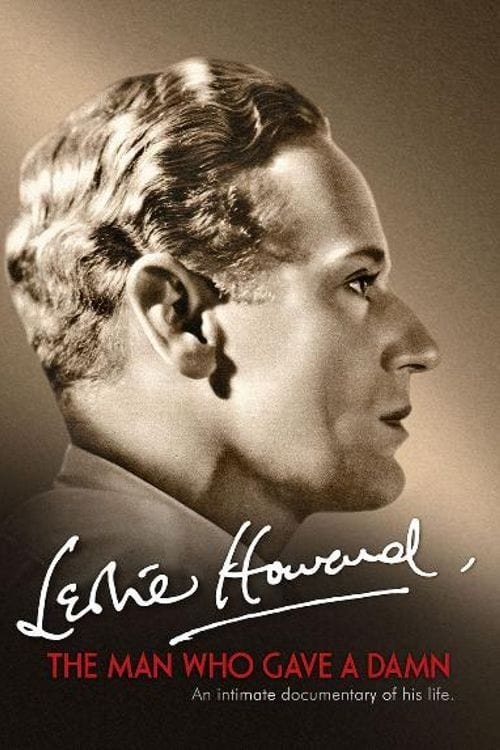
Documentary looking at the life and career of 1930s film star Leslie Howard. It features exclusive home movie footage, including footage from the Gone with the Wind set. The film includes extensive interviews with Howard's daughter, Leslie Ruth "Doodie" Howard, and contributions from friends and colleagues.

This documentary focuses on 1939, considered to be Hollywood's greatest year, with film clips and insight into what made the year so special.

Combining unprecedented access to Davis' vast personal archives with original interviews, this documentary reveals a startling portrait of one of Hollywood's most gifted and enigmatic stars.
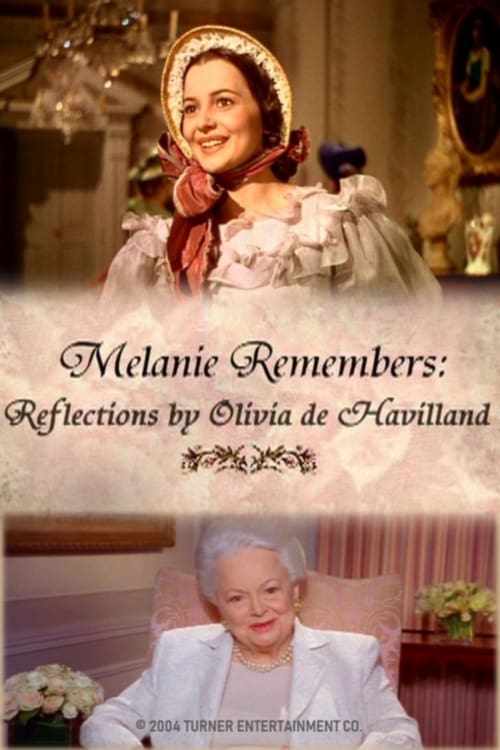
This documentary is featured in the 4-disc Collector's Edition DVD set, released in 2004, for Gone with the Wind (1939).

Colin Clark, younger brother of Alan Clark and son of Lord Kenneth Clark wanted to work in the movies. When Laurence Olivier and Vivien Leigh came to dine with his parents, he mentioned his ambition to them and they arranged for him to work as 3rd assistant director on the forthcoming The Prince and the Showgirl (1957). Colin kept a diary throughout the production and this documentary is a dramatization of that diary with lots of behind the scenes footage of Marilyn (and Arthur Miller) in England and of the production of the film with all of its associated problems.
Subscribe for exclusive insights on movies, TV shows, and games! Get top picks, fascinating facts, in-depth analysis, and more delivered straight to your inbox.