
Action
Adventure
Animation
Comedy
Crime
Documentary
Drama
Family
Fantasy
History
Horror
Music
Mystery
Romance
Science Fiction
Thriller
War
Western
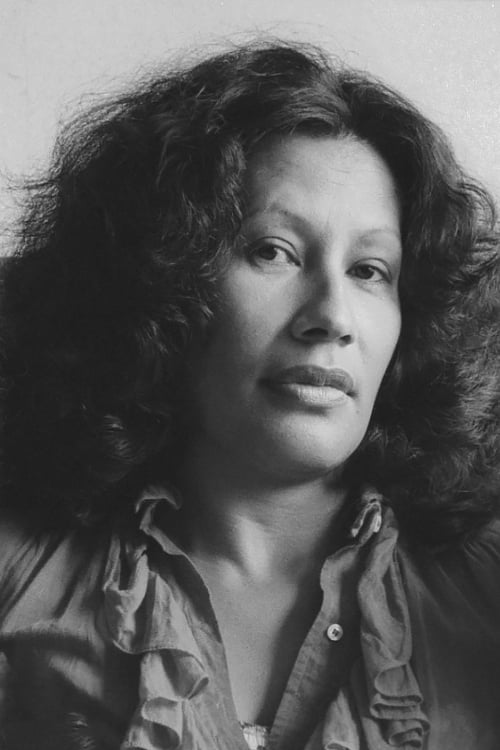
Merata Mita, CNZM was a New Zealand actress and filmmaker, as well as a key figure in the growth of the Māori screen industry. Mita was from the Māori tribes of Ngāti Pikiao and Ngāi Te Rangi.
Explore all movies appearances
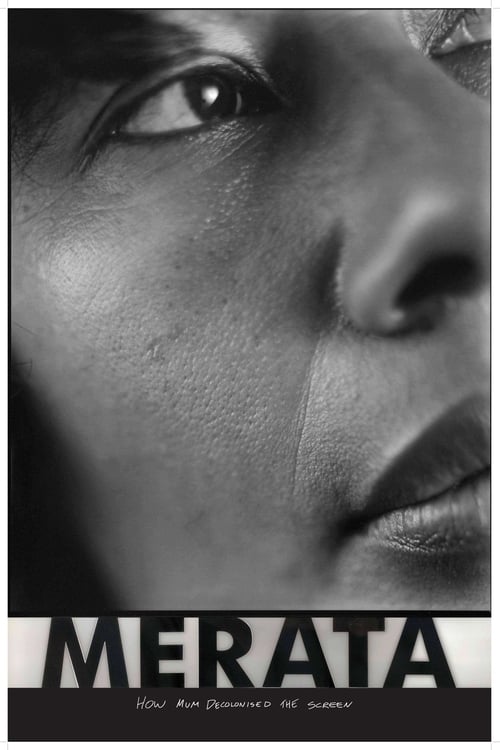
This film is an intimate portrayal of pioneering filmmaker Merata Mita told through the eyes of her children. Using hours of archive footage, some never before seen, her youngest child and director Hepi Mita discovers the filmmaker he never knew and shares the mother he lost, with the world.

As the name of this short film promises, a filmmaker (Merata Mita), a cook (Anne Thorp) and a singer (Moana Maniapoto) sit down for an interview at Pākiri beach. With a focus on their personal lives, these highly accomplished wahine Māori are generous in sharing what motivates and challenges them in their mahi — with friendship a recurring theme. Filmed a year after the disbanding of her group Moana and the Moahunters, Maniapoto is particularly vulnerable in her reflections. The film was made by Honours student Sam Cruickshank as part of a Film and Media Studies degree at Auckland University.
This Kaleidoscope documentary timed in with the release of Nicholas Reid’s book A Decade of New Zealand Cinema. The book cherrypicked Reid's favourites from the renaissance in local movies that began with Sleeping Dogs in 1977. Reid and a who’s who of local filmmakers discuss many of the 50+ features from the previous decade (with Bruno Lawrence ever present). They ponder the uniqueness (or otherwise) of Kiwi film. A fondness for rural and small town settings, and forceful, often conflicted, male leads is explored. Neglected areas — Māori film and more of a voice for women — are traversed.
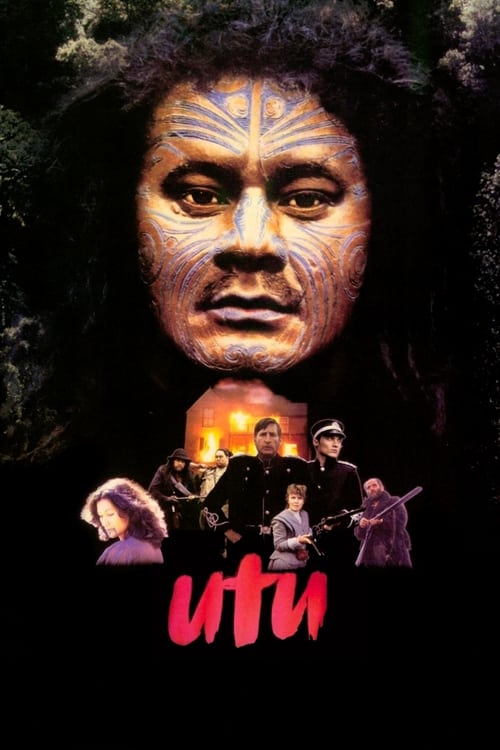
In New Zealand in the 1860s the native Māori people fought the British colonials to keep the land guaranteed to them by treaty. The warrior Te Wheke fights for the British until betrayal leads him to seek utu (revenge). The settler Williamson in turn seeks revenge after Te Wheke attacks his homestead. Meanwhile Wiremu, an officer for the British, seems to think that resistance is futile.
Making of documentary on the set of New Zealand's first epic Utu (1983), working with little money and dealing respectfully with matters of cultural protocol. Merata Mita discusses complex issues of inter-cultural conflict.
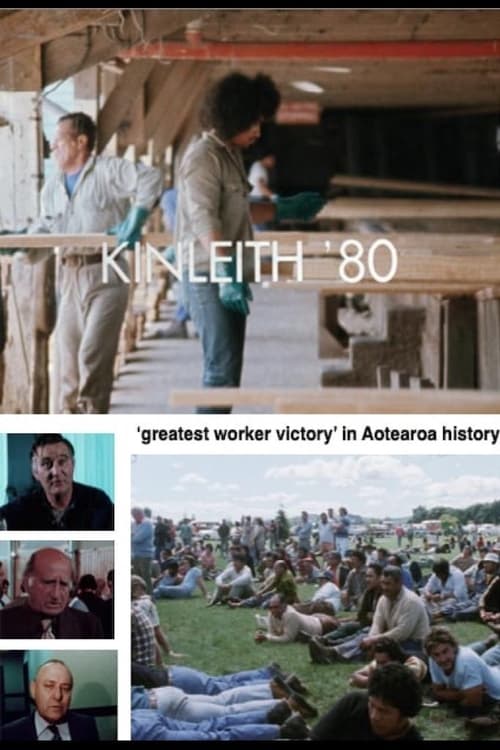
Covers the 12-week-long strike at Kinleith Pulp and Paper Mill, owned by New Zealand Forest Products in January 1980.
Subscribe for exclusive insights on movies, TV shows, and games! Get top picks, fascinating facts, in-depth analysis, and more delivered straight to your inbox.