
Action
Adventure
Animation
Comedy
Crime
Documentary
Drama
Family
Fantasy
History
Horror
Music
Mystery
Romance
Science Fiction
Thriller
War
Western

Indigenous Latino American actor. Lázaro Gabino Rodríguez was born in Durango, Mexico in 1983. He has a master’s degree in theater from the Amsterdamse Hogeschool voor de Kunsten (AHK). His work consists of explorations around fiction. His projects take their final form as plays, texts, films and radio productions. He is of Native Mexican descent.
Enjoying the content? Support us!
Explore all movies appearances
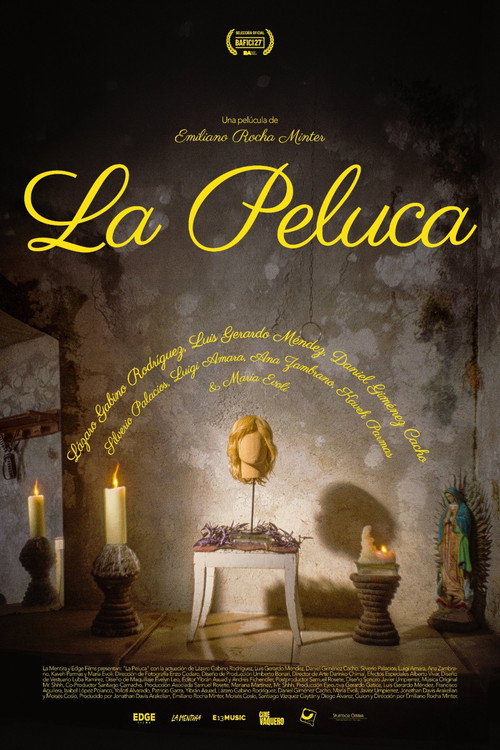
Silvestre, a down-on-his-luck film director, receives an invitation to have a meeting with a millionaire named Ricky. Silvestre decides to try his luck and present his project, a Mexican epic lasting more than three hours about the life of Benito Juárez. The date is at Ricky's house, a few hours from the city. Silvestre arrives at the meeting with enthusiasm, but things are not as planned and he is the victim of an elaborate prank.
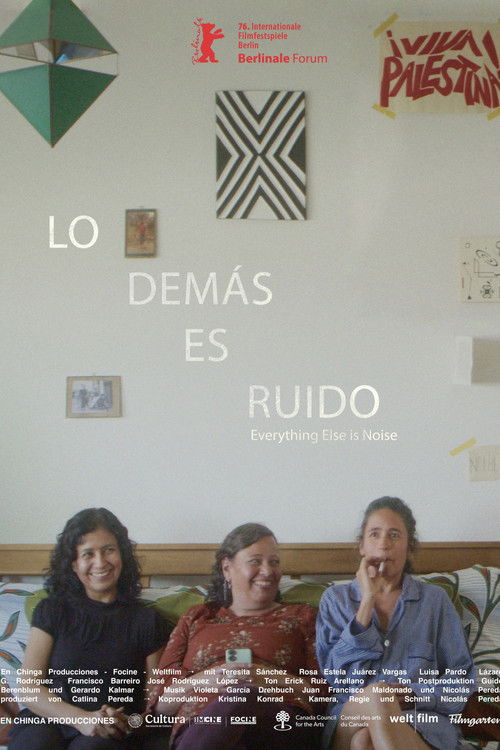
Rosa, a contemporary music composer, agrees to give her first television interview at her colleague Tere’s apartment to keep it secret from her husband. What begins as a simple professional conversation turns into an absurd and comic portrait of rivalries and affections among three women—Rosa, Tere, and Tere’s daughter Luisa—interrupted by power outages, a constantly barking dog, and the visit of a famous composer. As the interview unravels, family and artistic tensions surface, revealing, with humor, both the fragility of prestige and the strength of complicity.
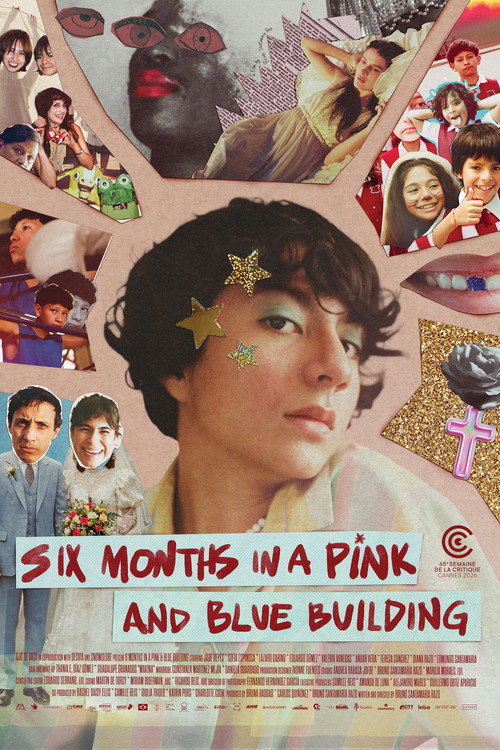
Mexico City, early 90s. The day Bruno turns 11, his growing feelings for his best friend Vladimir clash with the sudden announcement that his father has HIV. Like in salsa songs, his family tries to sing and dance their pain away. Thirty years later, Bruno films and reimagine the memory of what he could not quite perceive as a child.
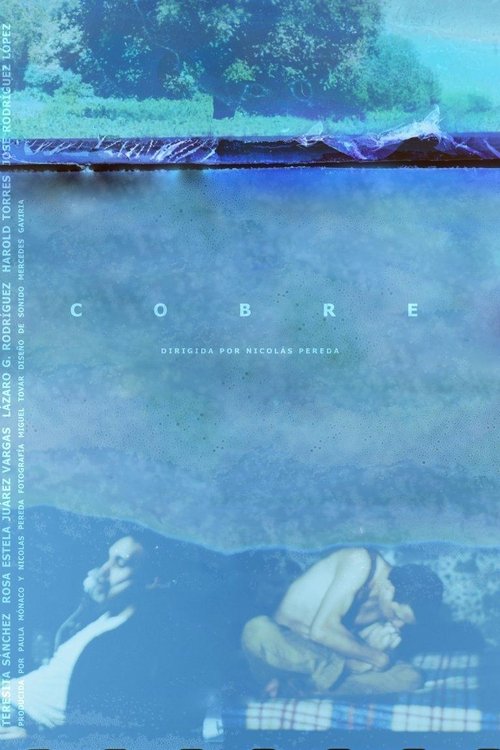
On the outskirts of an isolated mining town, Lázaro discovers a dead body. He thinks he has a respiratory illness and doesn’t want to go back to the mine. Rumours, suspicion and desire surround him.

Mario wakes up with no memory of his past life. His encounter with Lazare marks the beginning of a spatio-corporeal drift, from the eastern suburbs of Mexico City to the surrounding underground cavities, where bodies and landscapes crack in the same motion.

Six women share a common 'friend': madness. It visits us all, pushes us to decide reality, to make daring decisions and to transform our lives.

Three friends – a trio in love – get together after an audition. Their prosaic exchanges take a different turn when they remember how they met.
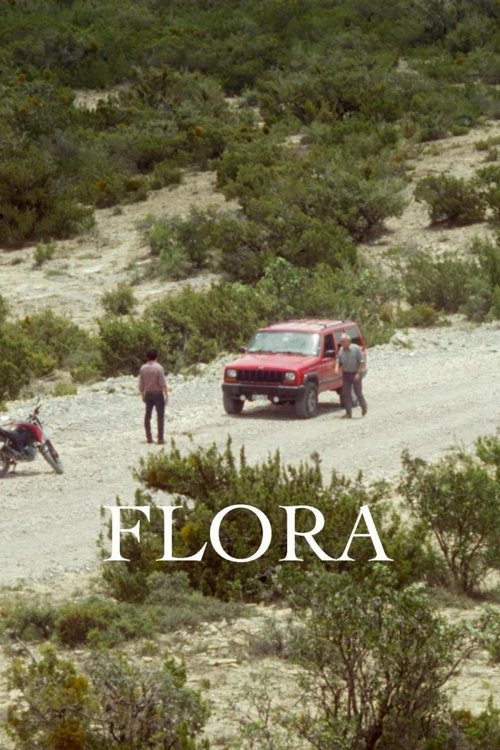
A metacinematic reflection on the nature of representation and the ongoing drug war in Mexico, Nicolás Pereda’s Flora revisits locations and scenes from the mainstream 2010 narco-comedy El Infierno, exploring the paradoxes of depicting narco-trafficking on film—its tendency both to romanticize and to obscure. To screen is both to project and to conceal.

Resembling a constellation of ideas and sentiments of a (still) wounded land, the taxi ride of the filmmaker through Mexico City interweaves Bernal Díaz del Castillo’s account of “The True History of the Conquest of New Spain”; from there sprouts the echoes of violence and what remains in silence.

Luisa and Gabino visit their parents in a mining town in the north of Mexico. Their father’s only interest in them is sparked by Luisa’s actor boyfriend when he acts out the role of a narco kingpin. To cope with family tensions, Gabino imagines a parallel reality of detectives and organized crime.
Subscribe for exclusive insights on movies, TV shows, and games! Get top picks, fascinating facts, in-depth analysis, and more delivered straight to your inbox.