
Action
Adventure
Animation
Comedy
Crime
Documentary
Drama
Family
Fantasy
History
Horror
Music
Mystery
Romance
Science Fiction
Thriller
War
Western
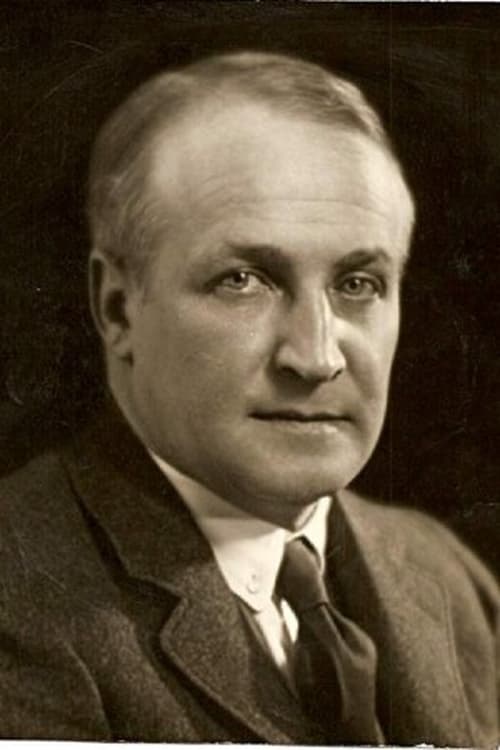
Robert Joseph Flaherty (February 16, 1884 – July 23, 1951) was an American filmmaker who made the first commercially successful feature-length documentary, Nanook of the North (1922), which solidified his reputation and was never able to be equaled in its success, although he continued development of this new genre of narrative documentary with Moana (1926), set in the South Seas, and Man of Aran ...
Not available
Enjoying the content? Support us!
Enjoying the content? Support us!
Explore all movies appearances
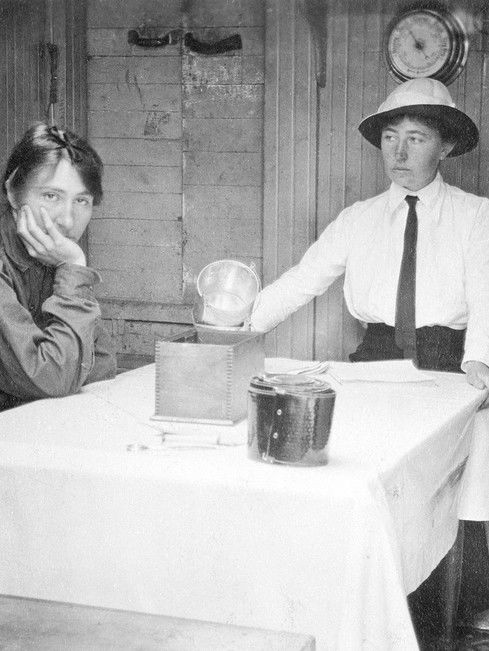
Sami van Ingen continues to explore the Flaherty film family with Cast of Shadows, which questions how much memories, images and end credits can lie.

Finnish filmmaker and artist Sami van Ingen is a great-grandson of documentary pioneer Robert Flaherty, and seemingly the sole member of the family with a hands-on interest in continuing the directing legacy. Among the materials he found in the estate of Robert and Frances Flaherty’s daughter Monica were the film reels and video tapes detailing several years of work on realising her lifelong dream project: a sound version of her parents’ 1926 docu-fiction axiom, Moana: A Romance of the Golden Age.

Robert Flaherty is credited with being the father of the modern documentary after making "Nanook of the North" and classics such as "Man of Aran" and "Louisiana Story", but he is also criticized for engaging in distortion and stereotyping.

The least typical, least known, and most controversial of director Flaherty's films depicts a vast and vague territory across the southern and midwestern United States. Here, in the period between the Depression's end and the beginning of World War II, abandoned farmhouses line dusty roadways, and forgotten farm people had almost ceased to hope for a better life.
Subscribe for exclusive insights on movies, TV shows, and games! Get top picks, fascinating facts, in-depth analysis, and more delivered straight to your inbox.