
Action
Adventure
Animation
Comedy
Crime
Documentary
Drama
Family
Fantasy
History
Horror
Music
Mystery
Romance
Science Fiction
Thriller
War
Western

Walter Carvalho is a critically and internationally acclaimed Brazilian cinematographer. Carvalho has worked on over 70 films in his career since entering the Cinema of Brazil in 1973. He has won some 30 different professional film awards to date and has worked on acclaimed Brazilian films such as Carandiru in 2003. He is the father of also cinematographer Lula Carvalho.
Explore all movies appearances
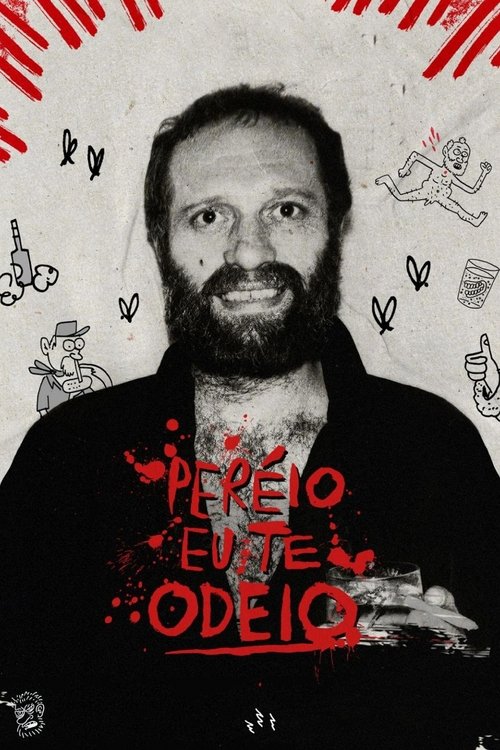
23 years in the making, “Pereio, Eu Te Odeio!” is a documentary on legendary Brazilian actor Paulo Cesar Pereio, an irreverent and controversial artist and public figure, as told by the testimonies of friends, family, and society members who hate him.
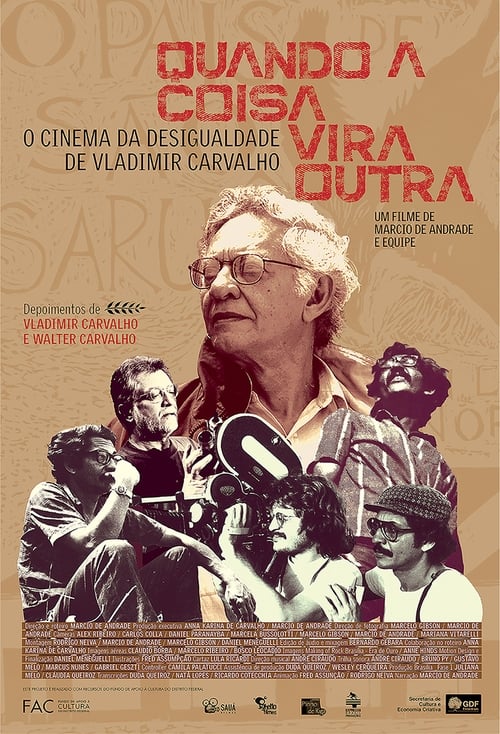
Vladimir Carvalho's Cinema of Inequality marked the documentary filmmaker's trajectory over decades of activity. Considered one of the most important Brazilian documentary filmmakers in activity, his images influenced the emergence of Cinema Novo and the new Brazilian documentary years later. Quando a Coisa Vira Outra covers the most important films made by Vladimir, revealing where ideas come from to show the true reality of a country.
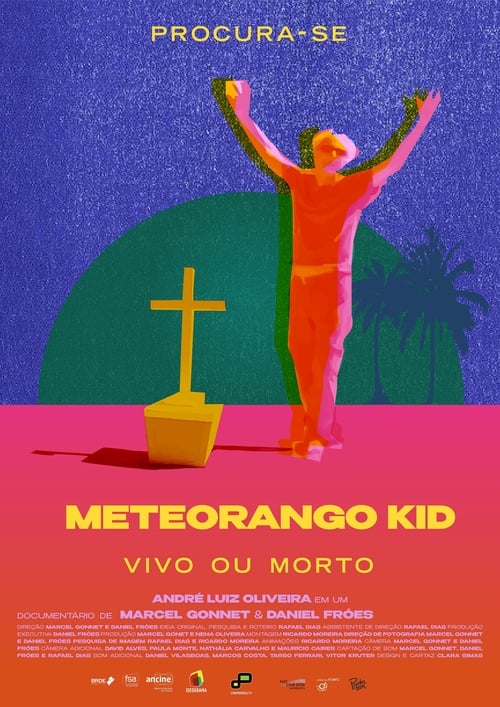
Meteorango Kid – O Herói Integalático, by André Luiz Oliveira, is a cult movie made in Bahia, awarded at the 1969 Brasília Festival and censored by the dictatorship. Meteorango Kid: alive or dead is a documentary about the film and its effects on the lives of other artists. André Luiz and musician Tuzé de Abreu, in the company of friends from the generation who used to go crazy, guide us in this search and reveal the mysteries of the invention of this iconic character of countercultural youth.
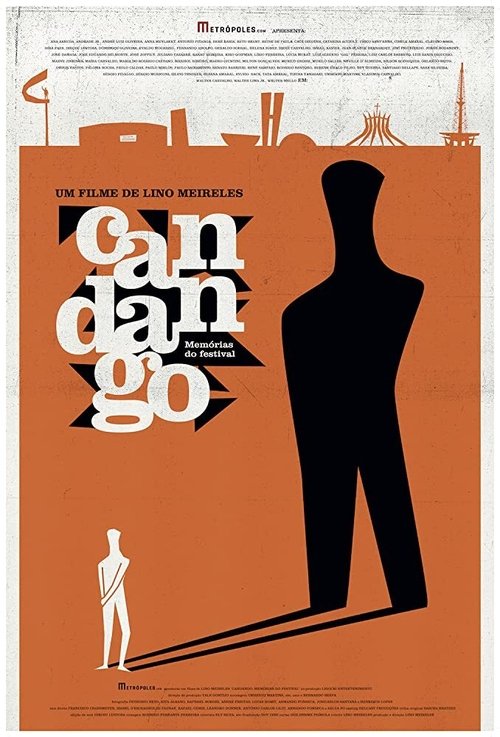
In 1965, a year after the military coup in Brazil, an oasis of freedom opened in the country's capital. The Brasília Film Festival: a landmark of cultural and political resistance. Its story is that of Brazilian cinema itself.
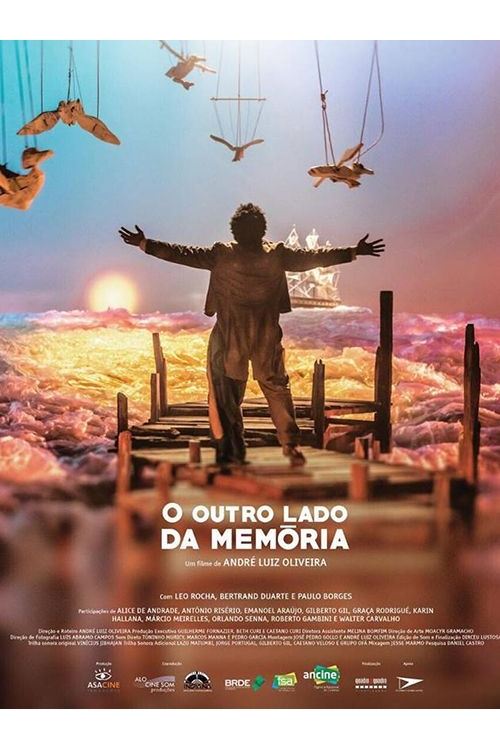
In 1996, filmmaker André Luiz Oliveira started preproduction of Viva o Povo Brasileiro, a film adaptation of the novel by João Ubaldo Ribeiro. Principal photography went on for nine years, but the production was shut down after a series of unfortunate events. This documentary retells that story, repurposing the fictional footage and chronicling the work both in front and behind the scenes.
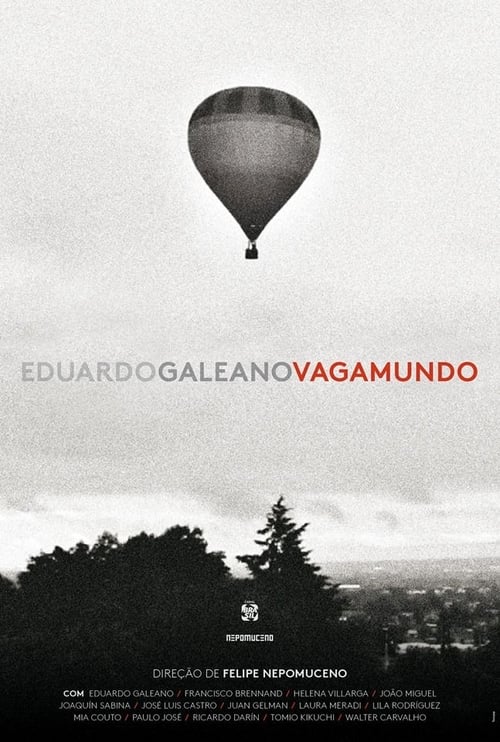
A hug movie, for the biggest storyteller in Latin America.
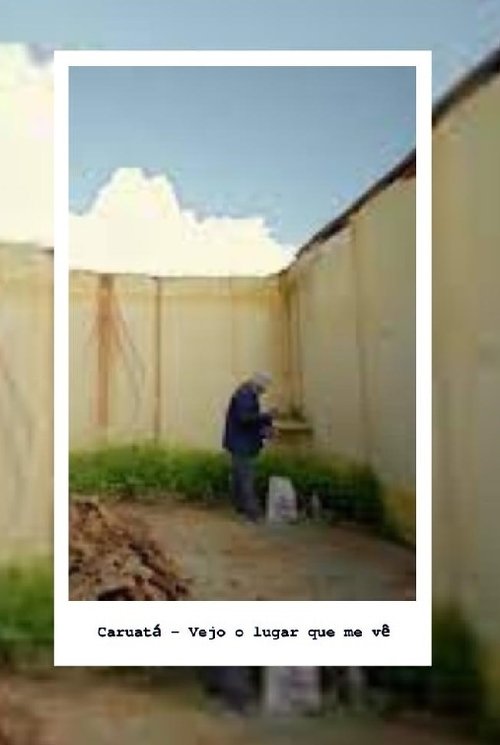
A visual account of when an image finds the photograph.

Cacaso, a Brazilian poet, lived in Rio de Janeiro. Born Antonio Carlos de Brito (1944-1987) he was one of the leaders of the marginal poetry movement. Cacaso filled notebooks not only with poems but reflections, drawings and collages. He also became a lyricist and partner of celebrated songwriters such as Tom Jobim, Edu Lobo, Toninho Horta, João Donato and Sivuca.
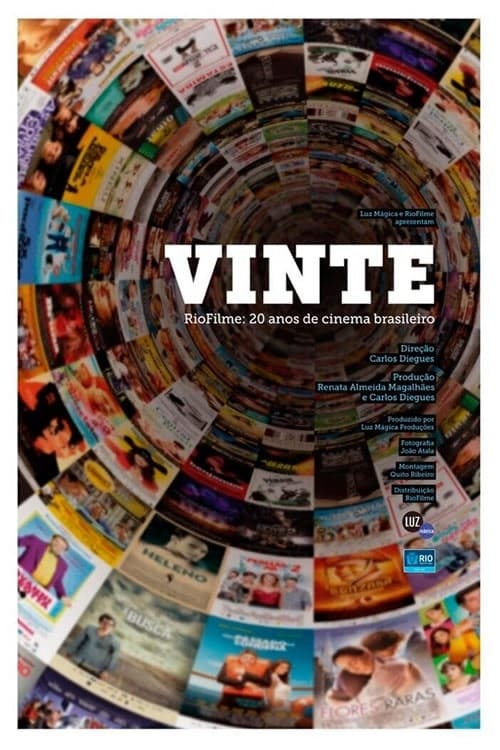
The documentary VINTE - RioFilme, 20 anos de cinema brasileiro is a celebration of these two decades of Brazilian cinema, revealing the role of RioFilme in its recent history. Created in late 1992, shortly after the impeachment of Fernando Collor and shortly before the Audiovisual Law, RioFilme is the daughter of our democratic consolidation and the mother of the recovery, which contributed to and often inaugurated different phases of Brazilian cinema, until the current strengthening of its economy and the multiplication of the diversity of its films.
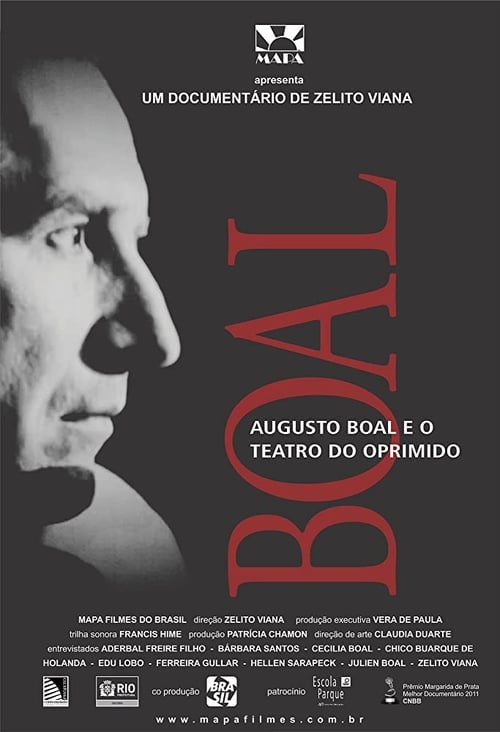
The movie "Augusto Boal and the Theatre of the Oppressed" shows the path of the dramaturgo Augusto Boal at the creation of a theatre that has as objective to transform those who participate it in a spiral of changes, in an oppressing society. Along the trajectory we see Boal's intellectual search and the transformations of the Brazilian society, from the 60s to nowadays. The spectator will meet the numerous uses of the Theatre of the Oppressed around the world (there are groups in 77 countries) and how they manifest in different situations, characterized by the relation between the oppressor and the oppressed, from the biggest to the smallest powers.
Subscribe for exclusive insights on movies, TV shows, and games! Get top picks, fascinating facts, in-depth analysis, and more delivered straight to your inbox.