Action
Adventure
Animation
Comedy
Crime
Documentary
Drama
Family
Fantasy
History
Horror
Music
Mystery
Romance
Science Fiction
Thriller
War
Western
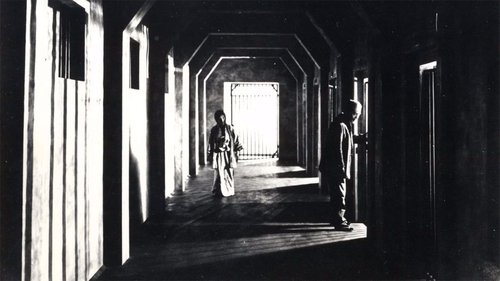

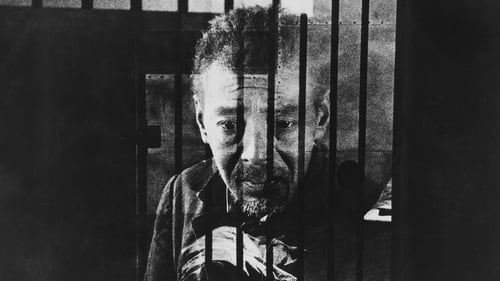
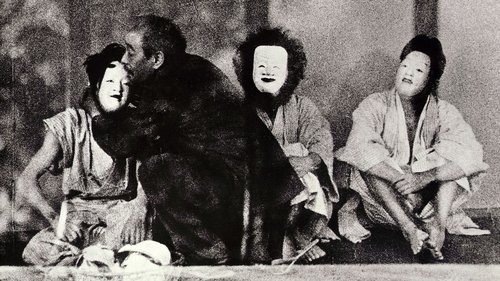
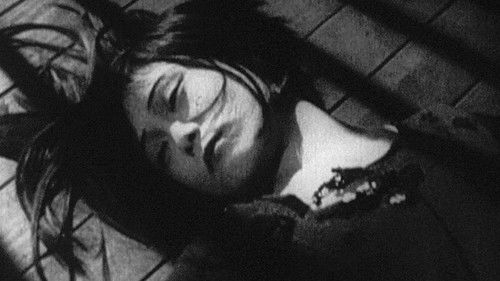
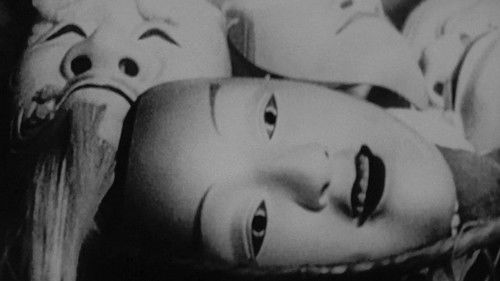
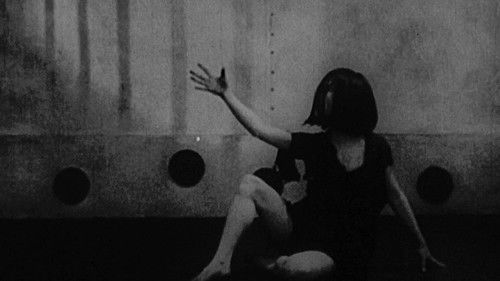
A man takes a job at an asylum with hopes of freeing his imprisoned wife.
Director: Teinosuke Kinugasa
Writers: Yasunari Kawabata, Minoru Inuzuka, Teinosuke Kinugasa
Enjoying the content? Support us!

Enjoying the content? Support us!
No streaming providers available
Patrick E. Abe
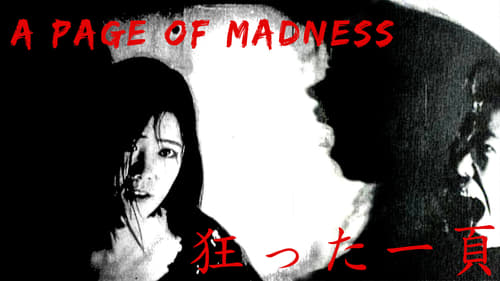
"Kurutta "Ippeiji" is notable for several reasons. First, it is one of the few Japanese silent movies of the 1920's to survive. Second, unlike most silent films, it lacks intertitles/title/dialog...
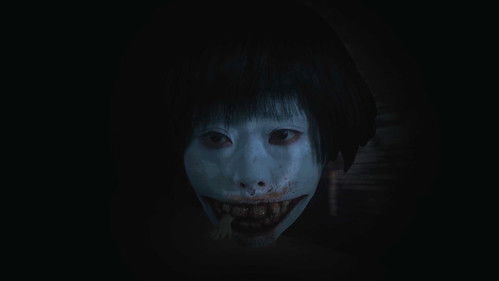
Uchida Mayu is a high school student in a peaceful town near Tokyo. She suffers from violence from her stepfather and plans to run away to her uncle's home in Tokyo. As she is about to board the last bus to Tokyo, a terrible looking old person causes her to miss the bus. She attempts to walk across a ridge. Meanwhile, Mayu's uncle Uchida Kazuki is a freelancer writer. He chases after the hideous monster Yoshie who attacks people. Kazuki receives a phone call that his niece Mayu ran away. He begins a search for her and finds her cellphone on a mountain path. He sees Yoshie's picture on her cellphone.
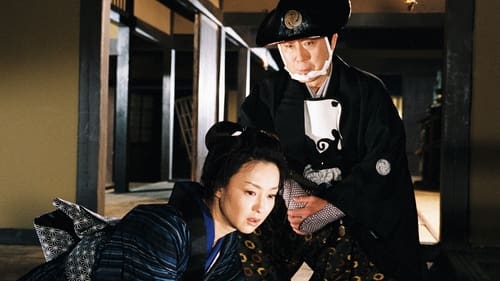
Heizo's cousin Senemon Misawa and his son Katsuzo visited Heizo's home. Heizo learns that Senemon has fallen in love with Katsutoshi, a woman who works at the Yamabukiya Tea House, and has asked her to marry him. Heizo decided to visit Yamabukiya, saying "I will try to find out if this woman is a bodhisattva or a demon." After meeting Katsutoshi Heizo, felt embarrassed and ordered Gorozo to inquire about her just in case. Gorozo, in turn, sends secret detective Rihachi to Yamabukiya with the task of keeping an eye on Katsutoshi...
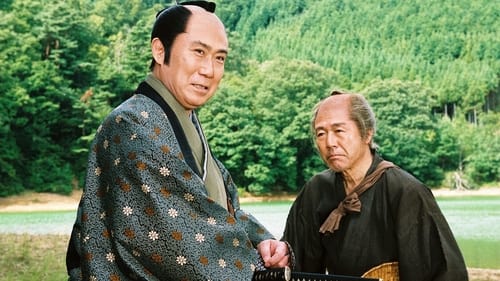
An old thief, Kuhei Sagiwara, used to visit his hometown at the foot of the Kurikara Pass in Kaga Province. Hiding from the rain, he overheard a secret conversation between three men, just like him, hiding from the rain. These three conspired to kill Heizo Hasegawa, the head of the arson and robbery police squad, and the head of these three is the outrageous villain, thief and murderer Jingoro Amikiri...

The Water Station is a film adaptation by playwright, director, and NYU Abu Dhabi professor Abhishek Majumdar of a play by Japanese playwright Ōta Shōgo, written in 1981. It is about our experience of the world and how it is shaped by what we have to leave behind, who we can leave with, and what happens when we meet others in our journeys.
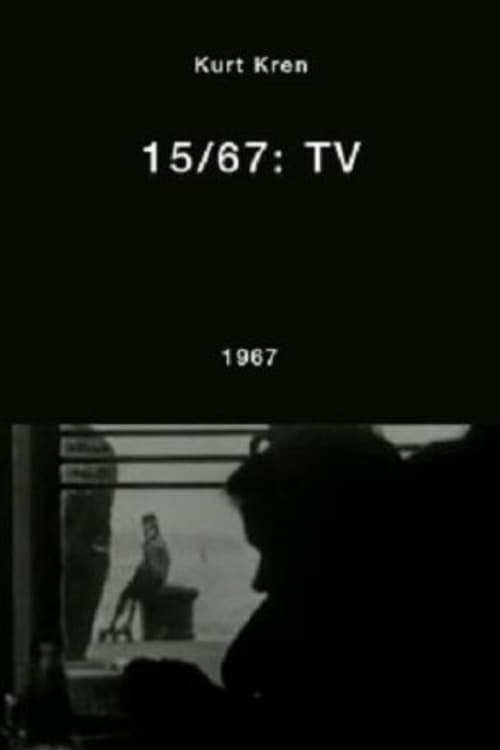
Kren frames the image to suggest a proscenium, with a view to the harbor that conveys a literal sense of “tele-vision”. The static framing of the image and the clearly stratified mise-en-scène can hardly provoke interpretation. The sight of the girls does so all the more. Kren, the gentle voyeur - who turns the viewer into a secret accomplice - observes three teenagers, and probably like them, awaits a rendezvous. (Thomas Trummer)
Subscribe for exclusive insights on movies, TV shows, and games! Get top picks, fascinating facts, in-depth analysis, and more delivered straight to your inbox.