Action
Adventure
Animation
Comedy
Crime
Documentary
Drama
Family
Fantasy
History
Horror
Music
Mystery
Romance
Science Fiction
Thriller
War
Western
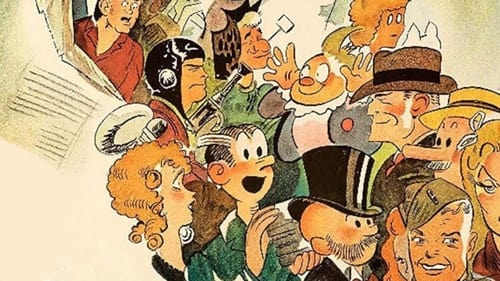
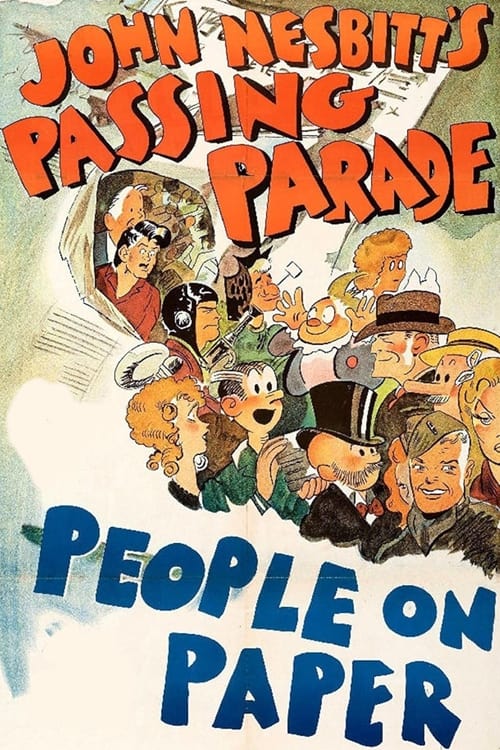
Americans are preoccupied with the news, but need an escape from many of the events reported in the news. These escapes in the past have included dime store novels. The most accessible of these escapes is what are known as the funny papers, the set of serialized comic strips that are included within many newspapers. They appeal to all socio-economic classes, and all ages. Some of the earliest known from the late 19th century include the Yellow Kid, Little Nemo, Happy Hooligan, the Katzenjammer Kids, Mutt & Jeff, and Bringing Up Father. Many cartoonists are seen in action. Some originated their characters, while others have taken over following the passing of the originator. The joy of many comic strips are the absurd and the fantastical, which are limited only by the imagination of the cartoonist. Others are grounded in reality, which add to their poignancy within the public mindset.
Director: Herbert Morgan
Writers: John Nesbitt
No Provider Available
Check back later for streaming options
No Reviews Available

A discovery of the pictorial art that Ndebele women traditionally practice in South Africa: painting the walls of their houses.
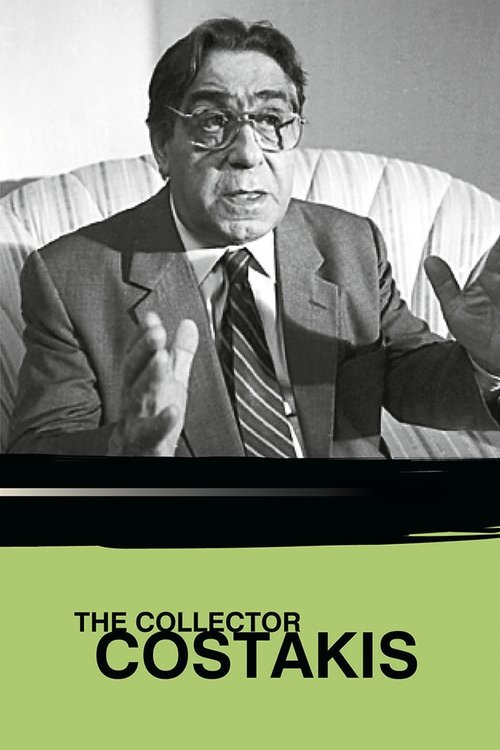
One public housing flat in Moscow stood out above all others: the home of George Costakis, the foremost collector of early 20th century Russian avant-garde art. Its walls were crowded with banned and forgotten works by artists such as Malevich, Tatlin, Kandinsky, Chagall, Lissitzky, Rodchenko, and Kliun; public figures such as Edward Kennedy, Stravinsky, and Alfred Barr visited. Barrie Gavin met the collector in 1982 at his home in Athens. Costakis, a Greek born in Russia, passionately shares his story and those of the great Russian avant-garde artists. Their works are his legacy – without him, they would not have survived the political upheavals in Russia.
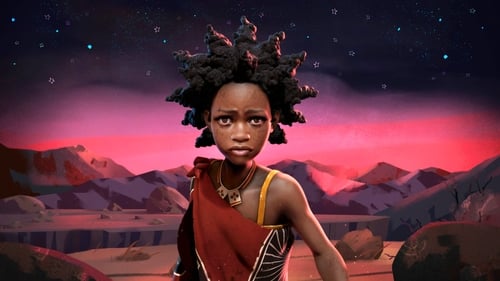
A talented group of orphaned children in Swaziland create a fictional heroine and send her on a dangerous quest.
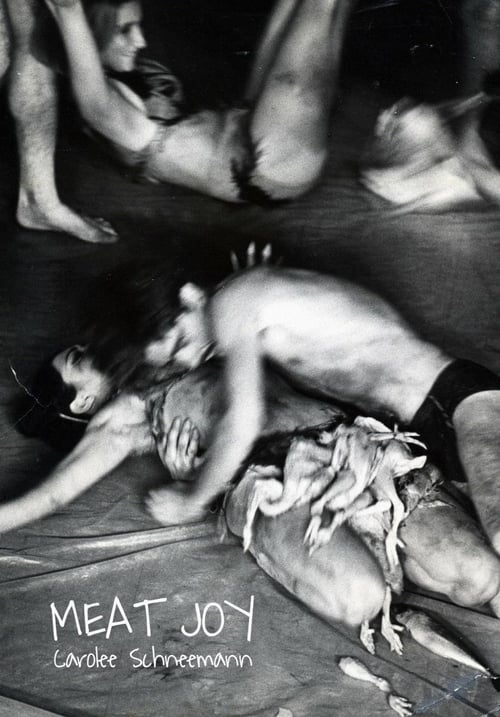
"Meat Joy is an erotic rite — excessive, indulgent, a celebration of flesh as material: raw fish, chicken, sausages, wet paint, transparent plastic, ropes, brushes, paper scrap. Its propulsion is towards the ecstatic — shifting and turning among tenderness, wildness, precision, abandon; qualities that could at any moment be sensual, comic, joyous, repellent. Physical equivalences are enacted as a psychic imagistic stream, in which the layered elements mesh and gain intensity by the energy complement of the audience. The original performances became notorious and introduced a vision of the 'sacred erotic.' This video was converted from original film footage of three 1964 performances of Meat Joy at its first staged performance at the Festival de la Libre Expression, Paris, Dennison Hall, London, and Judson Church, New York City."
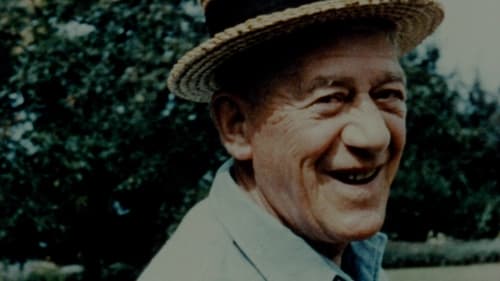
Painter, poet and playwright, teacher and freethinker, lover and traveler, Austrian artist Oskar Kokoschka (1886-1980) was a rare individual who remained lucid and passionate throughout his long life.
Subscribe for exclusive insights on movies, TV shows, and games! Get top picks, fascinating facts, in-depth analysis, and more delivered straight to your inbox.