
Action
Adventure
Animation
Comedy
Crime
Documentary
Drama
Family
Fantasy
History
Horror
Music
Mystery
Romance
Science Fiction
Thriller
War
Western
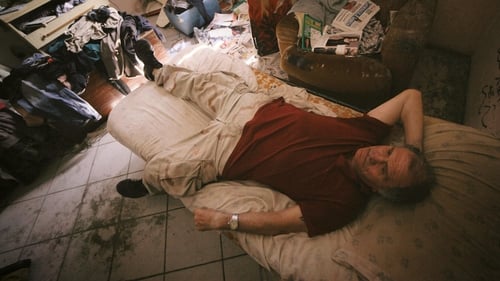
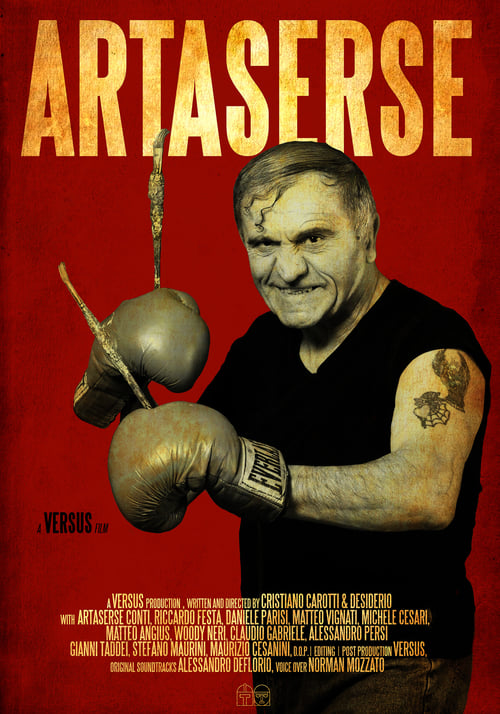
A one-of-a-kind cinematographic experiment. A grotesque fairy tale, staged in the real lives of the characters. A completely self-produced movie, designed and directed by two visual artists, with the purpose of telling the tale of Artaserse, a retired worker, boxer, trainer and life-long painter. Everything is staged in an industrial, now decadent Terni; like a steel bay without the sea, here it's difficult to dream about becoming an artist. This movie is like a suburban western movie; the boxer and the painting dancing the communal square dance together, in life and death, the meeting-match between Artaserse and an allegorical and remorseless art world, and more generically, the battle of all the colorful characters, appearing throughout.
Director: Desiderio Sanzi, Cristiano Carotti
Enjoying the content? Support us!

Enjoying the content? Support us!
No Reviews Available
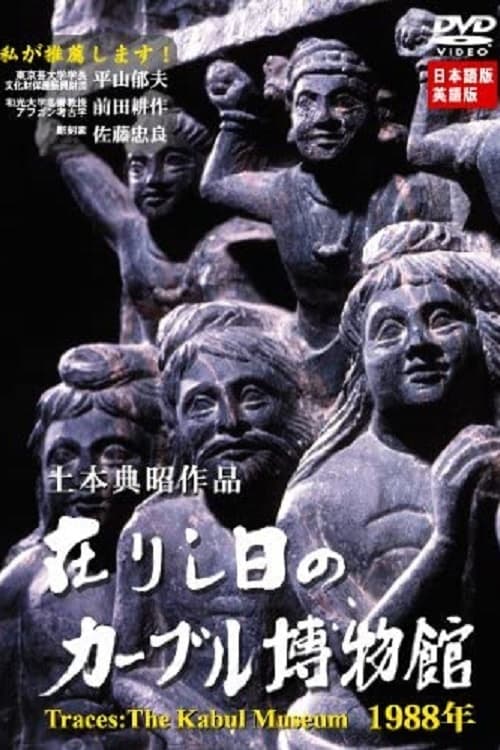
The Kabul National Museum, once known as the "face of Afghanistan," was destroyed in 1993. We filmed the most important cultural treasures of the still-intact museum in 1988: ancient Greco-Roman art and antiquitied of Hellenistic civilization, as well as Buddhist sculpture that was said to have mythology--the art of Gandhara, Bamiyan, and Shotorak among them. After the fall of the Democratic Republic of Afghanistan in 1992, some seventy percent of the contents of the museum was destroyed, stolen, or smuggled overseas to Japan and other countries. The movement to return these items is also touched upon. The footage in this video represents that only film documentation of the Kabul Museum ever made.
No description available for this movie.

After a painful breakup, Ben develops insomnia. To kill time, he starts working the late night shift at the local supermarket, where his artistic imagination runs wild.
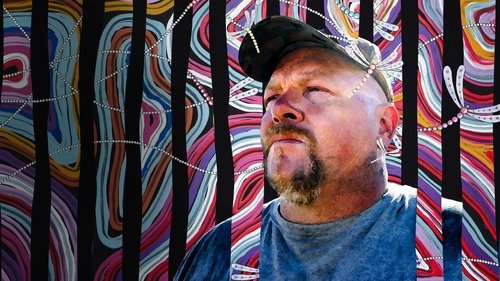
Narrated by Uncle Jack Charles and seen through the eyes of Indigenous prisoners at Victoria’s Fulham Correctional Centre, this documentary explores how art and culture can empower Australia's First Nations people to transcend their unjust cycles of imprisonment.
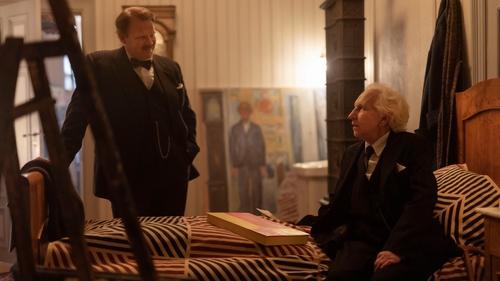
Edvard Munch was one of the most important artists in the period between the 19th and 20th centuries. His motif Skrik (The Scream), repeated in several techniques, became part of the 20th-century world subconsciousness – an image of fear and loneliness most people probably know, even if they have no idea who created it.
Subscribe for exclusive insights on movies, TV shows, and games! Get top picks, fascinating facts, in-depth analysis, and more delivered straight to your inbox.