Action
Adventure
Animation
Comedy
Crime
Documentary
Drama
Family
Fantasy
History
Horror
Music
Mystery
Romance
Science Fiction
Thriller
War
Western
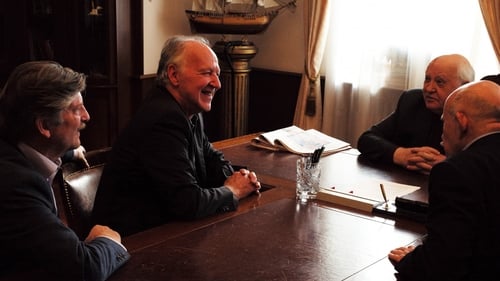
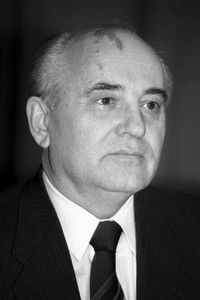
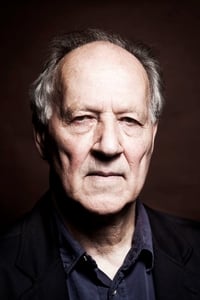
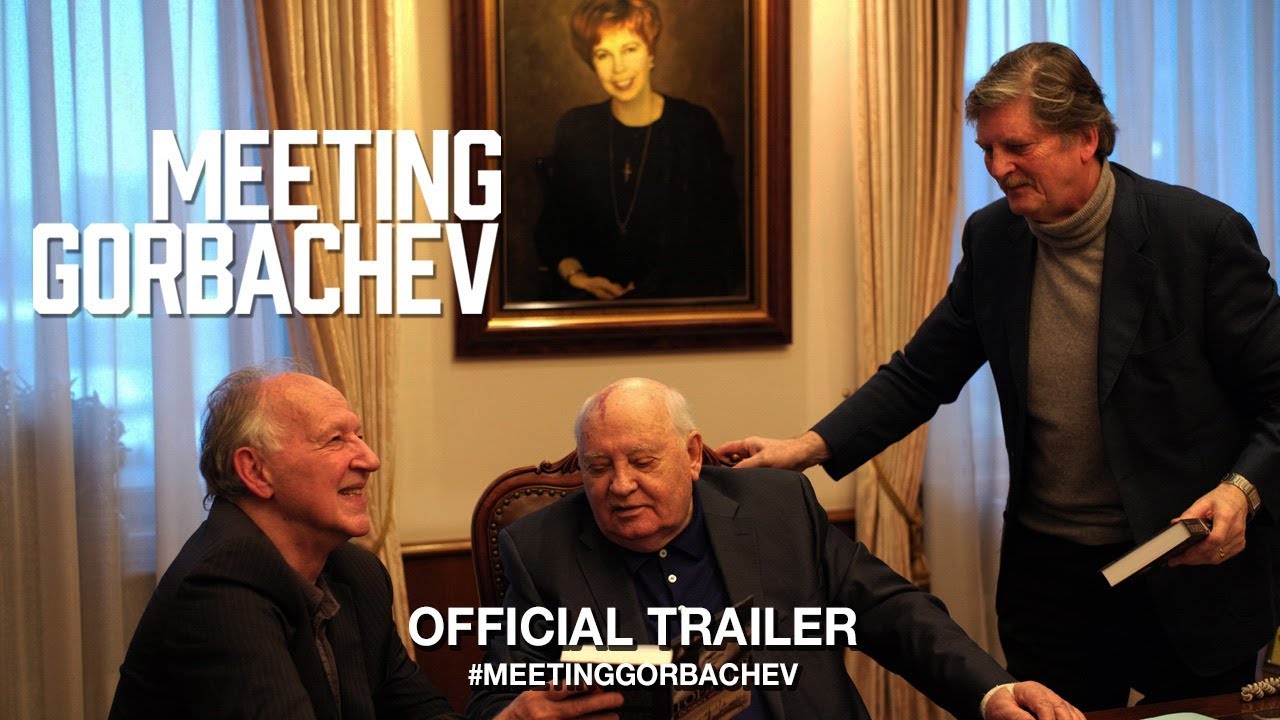
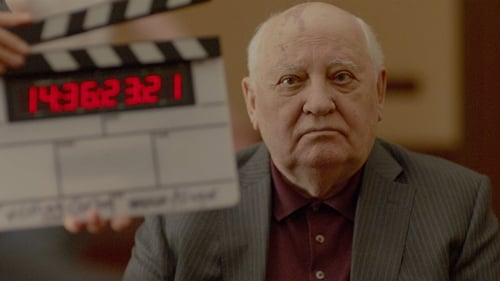
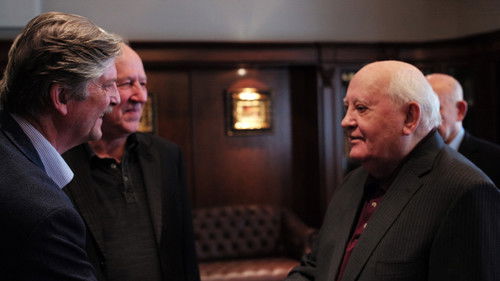
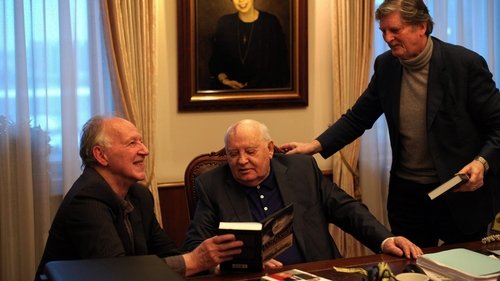
Mikhail Gorbachev, former president of the Soviet Union, sits down with filmmaker Werner Herzog to discuss his many achievements. Topics include the talks to reduce nuclear weapons, the reunification of Germany and the dissolution of his country.
Director: Werner Herzog, André Singer
Writers: Werner Herzog, André Singer
Enjoying the content? Support us!
Enjoying the content? Support us!
SWITCH.
Werner Herzog has become almost as much of a meme as Baby Yoda in recent years, with his signature dour voiceovers sent up in cutesy teen movies. But the reason he has such a loyal following is his tr...
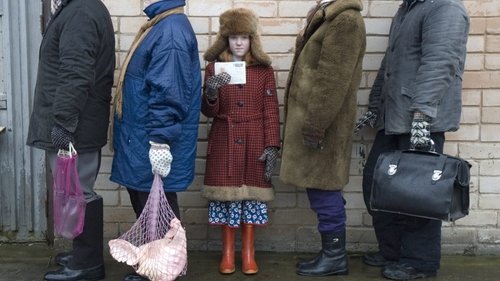
A different history of the Cold War: how Estonians under Soviet tyranny began to feel the breeze of freedom when a group of anonymous dreamers successfully used improbable methods to capture the Finnish television signal, a window into Western popular culture, brave but harmless warriors who helped change the fate of an entire nation.
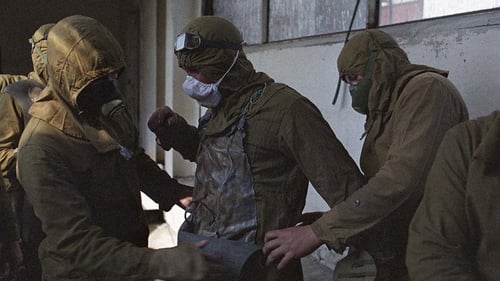
On April 26, 1986, a 1,000 feet high flame rises into the sky of the Ukraine. The fourth reactor of the Chernobyl nuclear power plant just exploded. A battle begins in which 500,000 men are engaged throughout the Soviet Union to "liquidate" the radioactivity, build the "sarcophagus" of the damaged reactor and save the world from a second explosion that would have destroyed half of Europe. Become a reference film, this documentary combines testimonials and unseen footage, tells for the first time the Battle of Chernobyl.
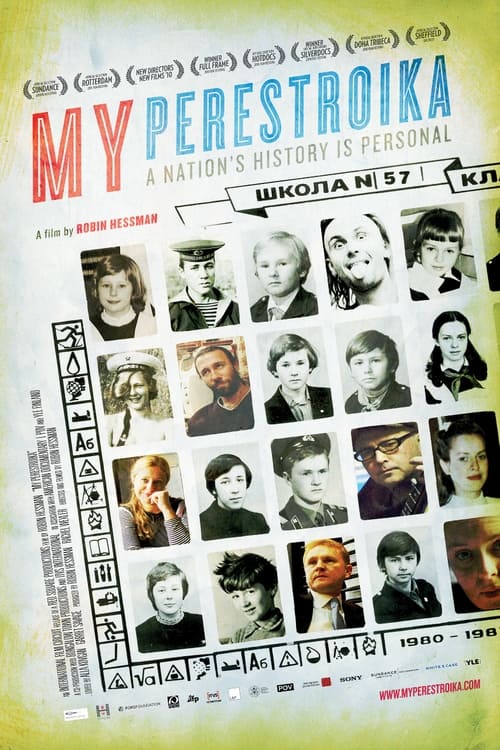
Tells the story of five people from the last generation of Soviet children who were brought up behind the Iron Curtain. Just coming of age when the USSR collapsed, they witnessed the world of their childhood crumble and change beyond recognition. Through the lives of these former schoolmates, this intimate film reveals how they have adjusted to their post-Soviet reality in today's Moscow.
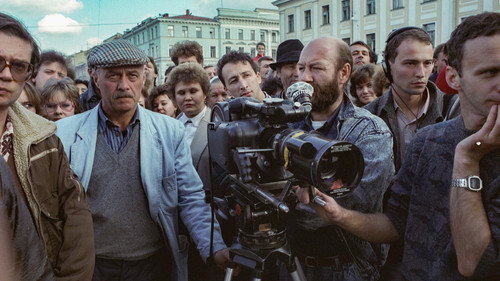
A film about the sociopolitical condition of the Soviet society at the end of the eighties.
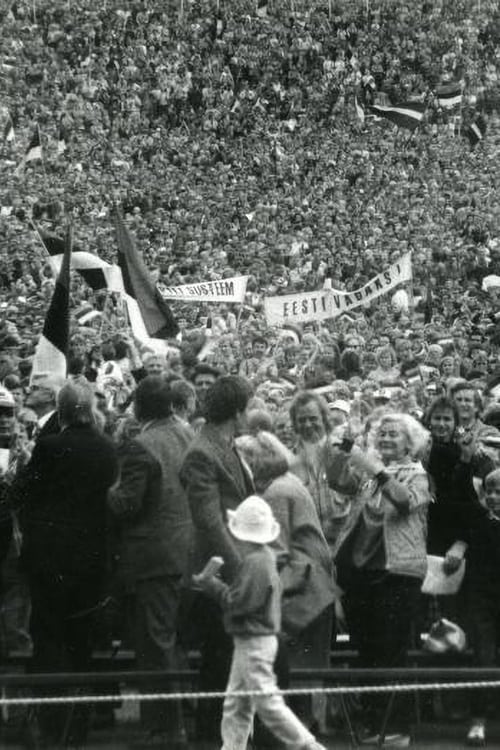
The year of 1988 in Estonia was exceptional - it came as a surprise for everyone that all of a sudden national symbols were allowed; expressions of no confidence were addressed towards the leaders of Communist Party and Estonian government; the Popular Front of Estonia and Estonian Green Movement but also the Intermovement (the Workers International Movement of the Estonian Soviet Socialist Republic) were founded. Estonian Heritage Society restored the monuments of the War of independence; the facts about war crimes during the Stalinist regime were disclosed and - imagine that! - the representatives of Estonian Republic went against the central authorities in Moscow. Events in Estonia draw international attention. Is all this possible in a totalitarian state? This documentary chronicle gives a plausibe interpretation of the events that took place in Estonia in 1988, of the changes in people's lives and the awakening after a 48-year-long period of darkness.
Subscribe for exclusive insights on movies, TV shows, and games! Get top picks, fascinating facts, in-depth analysis, and more delivered straight to your inbox.