Action
Adventure
Animation
Comedy
Crime
Documentary
Drama
Family
Fantasy
History
Horror
Music
Mystery
Romance
Science Fiction
Thriller
War
Western
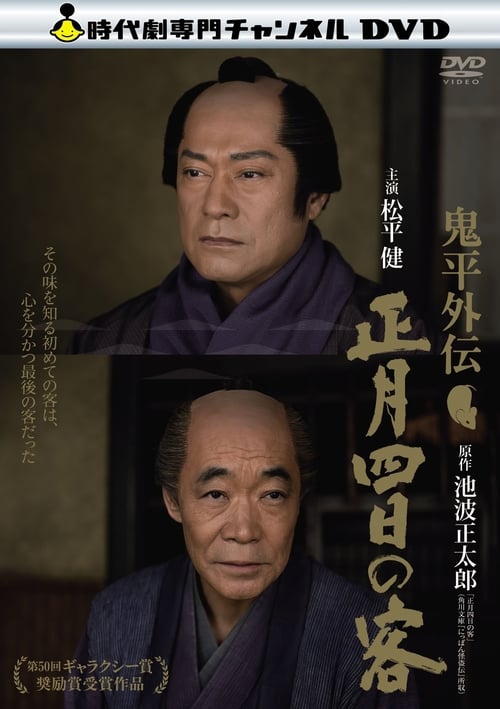
Every year on the fourth of January, Shobei's soba restaurant serves "Sanada Soba"; soba noodles topped with grated spicy daikon radish. Even regulars refrain from coming to the restaurant because of the extra spicy soba. But on year, a stranger comes in and finishes the bowl, announcing that it tastes familiar. The man begins to visit every year on the 4th of January to eat Sanada Soba. Shobei develops a warm feeling towards the peculiar customer he interacts with once a year.
Director: Akira Inoue
Writers: Narito Kaneko
No Reviews Available
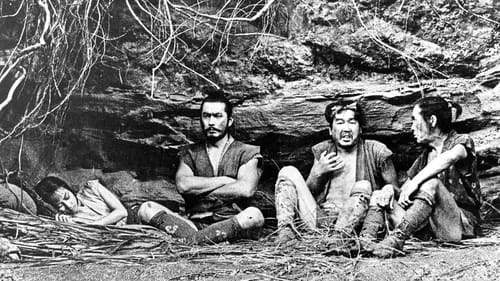
In feudal Japan, during a bloody war between clans, two cowardly and greedy peasants, soldiers of a defeated army, stumble upon a mysterious man who guides them to a fortress hidden in the mountains.
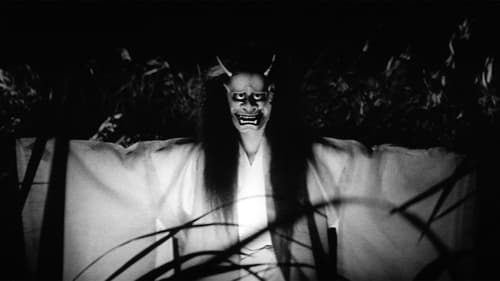
While her son, Kichi, is away at war, a woman and her daughter-in-law survive by killing samurai who stray into their swamp, then selling whatever valuables they find. Both are devastated when they learn that Kichi has died, but his wife soon begins an affair with a neighbor who survived the war, Hachi. The mother disapproves and, when she can't steal Hachi for herself, tries to scare her daughter-in-law with a mysterious mask from a dead samurai.
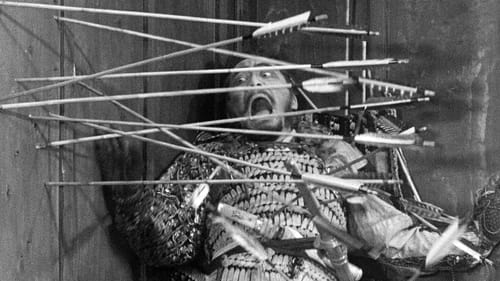
Returning to their lord's castle, samurai warriors Washizu and Miki are waylaid by a spirit who predicts their futures. When the first part of the spirit's prophecy comes true, Washizu's scheming wife, Asaji, presses him to speed up the rest of the spirit's prophecy by murdering his lord and usurping his place. Director Akira Kurosawa's resetting of William Shakespeare's "Macbeth" in feudal Japan is one of his most acclaimed films.

Aspiring to an easy job as personal physician to a wealthy family, Noboru Yasumoto is disappointed when his first post after medical school takes him to a small country clinic under the gruff doctor Red Beard. Yasumoto rebels in numerous ways, but Red Beard proves a wise and patient teacher. He gradually introduces his student to the unglamorous side of the profession, ultimately assigning him to care for a prostitute rescued from a local brothel.

Among the many famous 16th-century samurai who made the leap from myth and ukiyo-e to early cinema screen was sword-master Miyamoto Musashi, previously depicted in prints by Kiniyoshi Yoshitoshi and others slaying an array of grotesque creatures including giant bats, giant lizards, and the mythical tengu. This imagery informed his first screen depiction in Miyamoto Musashi Taiji No Ba, which showed him combatting the mythic white ape of the mountains.
Subscribe for exclusive insights on movies, TV shows, and games! Get top picks, fascinating facts, in-depth analysis, and more delivered straight to your inbox.