Action
Adventure
Animation
Comedy
Crime
Documentary
Drama
Family
Fantasy
History
Horror
Music
Mystery
Romance
Science Fiction
Thriller
War
Western
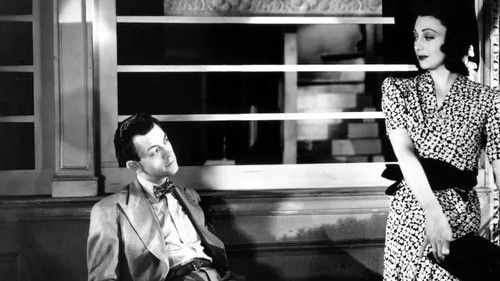
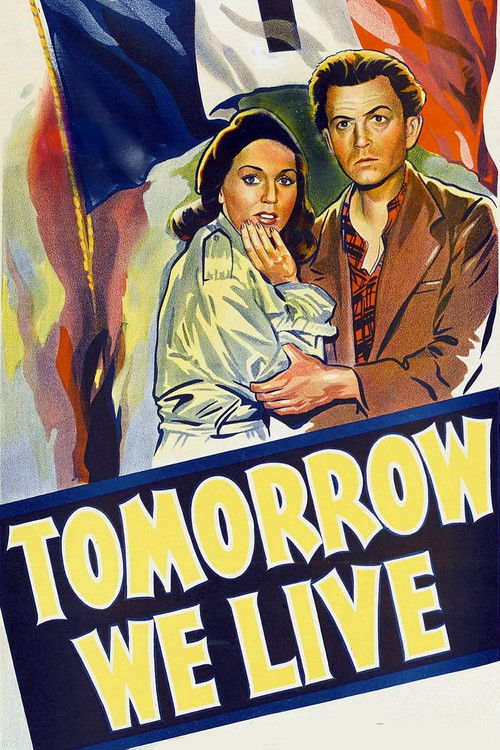
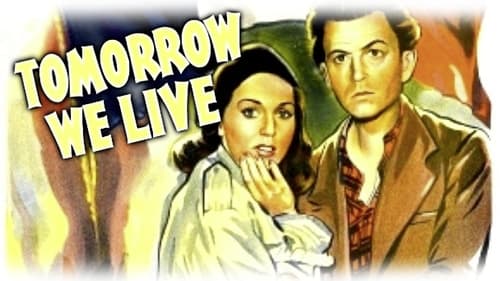
British World War II film set in occupied France, portraying the activities of members of the French Resistance and the Nazi tactic of taking and shooting innocent hostages in reprisal for acts of sabotage. The opening credits acknowledge "the official co-operation of General de Gaulle and the French National Committee". It was released as "At Dawn We Die" in the US.
Director: George King
Writers: Anatole de Grunwald
Enjoying the content? Support us!
CinemaSerf
This reminded me a little of "The Silver Fleet"- also made in 1943 - that tackled the thorny issues of collaborators who were really using their position with the occupying Nazi authorities to facilit...

Singapore Sling pursues Laura, a romantic memory from his past. One night, he finds himself at a mysterious villa, watching two women bury a body. He falls into their trap and, in an atmosphere of isolation and decadence, the trio act out insane pleasure games and a ritual of blood and murder.
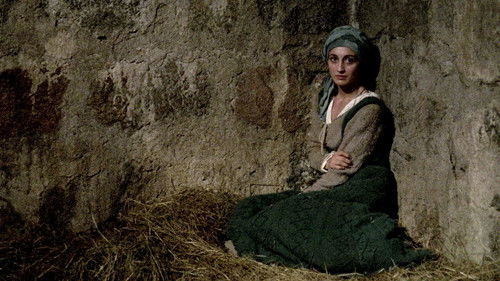
A small village in Navarre, Spain, XVII century. Garazi's grandmother is burned at the stake when accussed of being a witch and convicted by an inquisitor, something that brings Garazi under suspicion and eventually into prison, where she is atrociously tortured and humiliated.
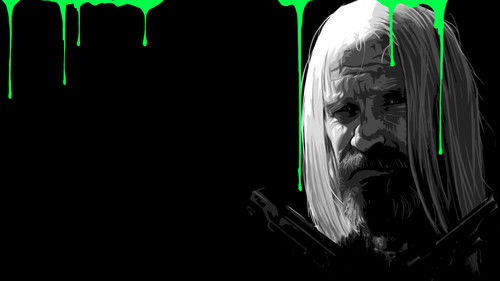
The murderous, backwoods Firefly family take to the road to escape the vengeful Sheriff Wydell, who is not afraid of being as ruthless as his target.
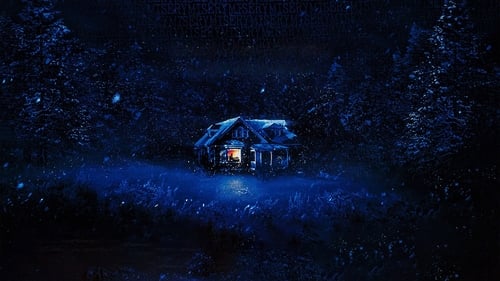
After an accident, acclaimed novelist Paul Sheldon is rescued by a nurse who claims to be his biggest fan. Her obsession takes a dark turn when she holds him captive in her remote Colorado home and forces him to write back to life the popular literary character he killed off.
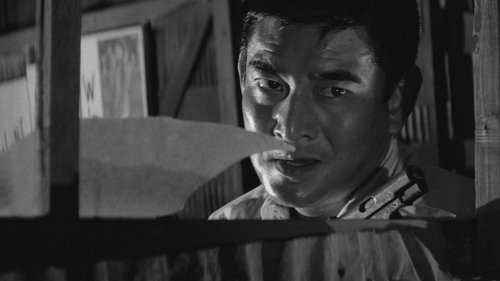
Sabu and his pals hold a pauper's funeral for Sabu's mother. His brother Jiro arrives home, fresh out of jail, and Sabu pointedly states that Jiro is not invited. Jiro meanwhile is planning a big job - steal 40 million in cash and drugs, and he invites Sabu and gang to act as decoys, for 50,000 each. The sting is a success, but the double-crossing starts almost immediately. Sabu discovers how little of the take they were promised and hides the stash. Jiro and his slimy partner pressure the kids to fess up. Meanwhile, their respectable elder brother Ichiro is being leaned on by the town's big boss, whose money it was.
Subscribe for exclusive insights on movies, TV shows, and games! Get top picks, fascinating facts, in-depth analysis, and more delivered straight to your inbox.