Action
Adventure
Animation
Comedy
Crime
Documentary
Drama
Family
Fantasy
History
Horror
Music
Mystery
Romance
Science Fiction
Thriller
War
Western
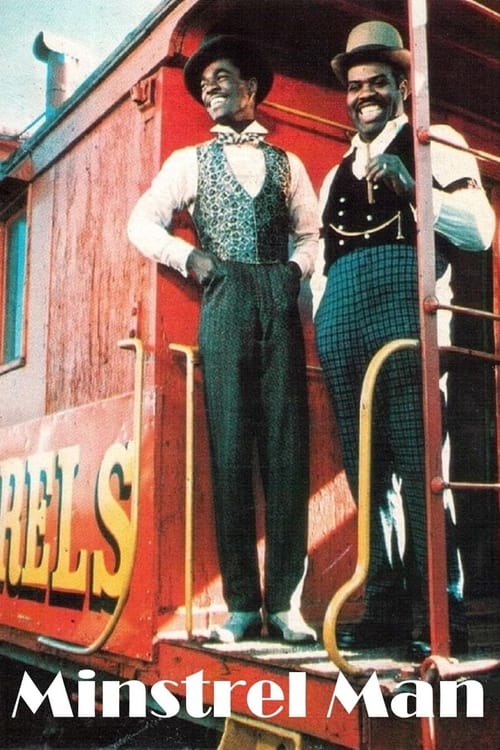
Two black brothers in a traveling minstrel show in the early part of the twentieth century have two different goals. One brother is determined to succeed in a field that is dominated by white performers in blackface, and the other is a composer fighting to break away from the stereotypes associated with black minstrel performers.
Director: William A. Graham
Writers: Esther Shapiro, Richard Alan Shapiro
No screenshots available
No Reviews Available

A songwriter leaves his chorus girl sweetheart to join the US Army in WWI. In France he falls in love with French singer Madelon. He is crippled in action. Back in the States, his girl friend there leaves him. But Madelon can't forget him and comes to the USA to work there as singer. Per chance she meets the songwriter, and he is cured. Singing one of his love songs, he knows that he has found the right girl.

Frustrated when network brass reject his sitcom idea, producer Pierre Delacroix pitches the worst idea he can think of in an attempt to get fired: a 21st century minstrel show. The network not only airs it, but it becomes a smash hit.
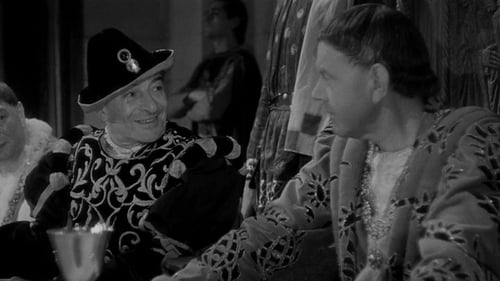
At the end of the 15th century, a man and a woman, posing as traveling minstrels, are sent by the Devil to a castle to seduce its inhabitants.

No one suffered more magnificently in the early-talkie era than the inimitable Helen Twelvetrees. In Grand Parade, the actress is cast as Molly, the sweetheart of minstrel-show performer Jack Kelly. Rising to the top of his profession, Kelly plummets to the bottom thanks to his fondness for intoxicating beverages. Molly nurses and coddles Kelly back to health, giving nary a thought for her own comfort or happiness.

In this entertaining short, famous literary figures step out of the pages of books after dark.
Subscribe for exclusive insights on movies, TV shows, and games! Get top picks, fascinating facts, in-depth analysis, and more delivered straight to your inbox.