
Action
Adventure
Animation
Comedy
Crime
Documentary
Drama
Family
Fantasy
History
Horror
Music
Mystery
Romance
Science Fiction
Thriller
War
Western

This unique documentary follows the life of a Slovak hockey legend, Pavol Demitra. It takes us from the very begining of his career in Slovakia through successful years in NHL to Lokomotiv Yaroslavl and his tragic death in a plane crash in 2011. His family, friends and fans around the world remember him not only as a top sportsman but also as a good man with strong character. - Written by ITA Film
Director: Daniel Dangl
Enjoying the content? Support us!
Enjoying the content? Support us!
No Provider Available
Check back later for streaming options
No screenshots available
No Reviews Available

No description available for this movie.
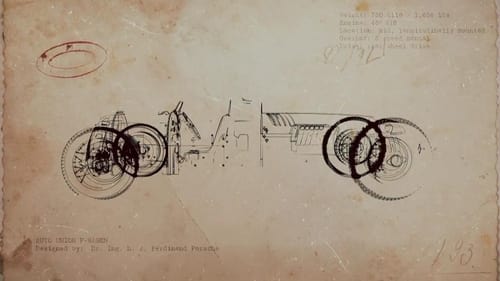
During the rise of the Third Reich two German car manufacturers were ordered to build the most high performance vehicles the world had ever seen. What followed was a rivalry that would reap Grand Prix victories, international domination that was a propaganda coup, and provide world fame to its drivers who risked their lives smashing speed records that would stand for 79 years. All under the direct orders of the Fuhrer himself. This special one-off documentary charts the rise of Nazi Germany’s dominate ‘Silver Arrow’ Grand Prix and Speed Record cars of the 1930’s. Leading motor racing and World War 2 experts James Holland, Richard Williams, Eberhard Reuss and Chris Routledge tell the story of the Nazi funded Auto Union and Mercedes Benz ‘National Racing Cars’. Hitler’s Supercars interweaves the rise of the Third Reich with the racing exploits it funded and what propaganda messages these racing cars where sending.
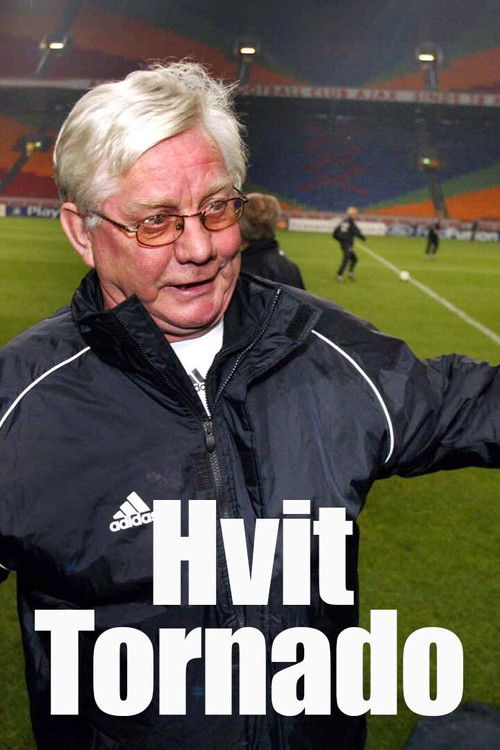
No description available for this movie.

No description available for this movie.

The until now relatively unknown MMA-fighter Emil "Valhalla" Meek has his chance of a lifetime to meet the controversial superstar Rousimar Palhares. The dangerous Brazilian have been thrown out of the the UFC because he was too dangerous for and destroyed his opponents. In Italy they are giving Palhares the opportunity to go fights again despite his dangerous ploy. Emil takes the opportunity - if he would to ever come to whats for him is his "Valhalla" - namely to become one of the stars of the millionaire-league UFC. However, his health and his career are at stake and expert give him no chance and call the fight irresponsible.
Subscribe for exclusive insights on movies, TV shows, and games! Get top picks, fascinating facts, in-depth analysis, and more delivered straight to your inbox.