Action
Adventure
Animation
Comedy
Crime
Documentary
Drama
Family
Fantasy
History
Horror
Music
Mystery
Romance
Science Fiction
Thriller
War
Western
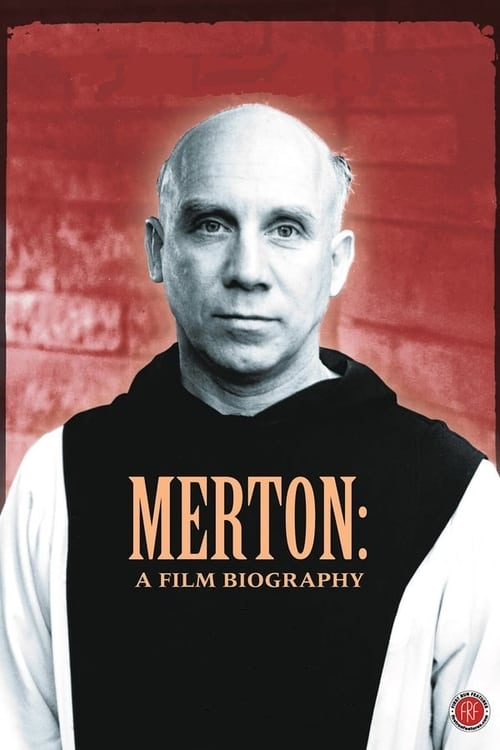
In his lifetime, Thomas Merton was hailed as a prophet and censured for his outspoken social criticism. For nearly 27 years he was a monk of the austere Trappist order, where he became an eloquent spiritual writer and mystic as well as an anti-war advocate and witness to peace. Merton: A Film Biography provides the first comprehensive look at this remarkable 20th century religious philosopher who wrote, in addition to his immensely popular autobiography The Seven Storey Mountain, over 60 books on some of the most pressing social issues of our time, some of which are excerpted here. Merton offers an engaging profile of a man whose presence in the world touched millions of people and whose words and thoughts continue to have a profound impact and relevance today.
Director: Paul Wilkes
Writers: Paul Wilkes
No Provider Available
Check back later for streaming options
No screenshots available
No Reviews Available

Documentary about Moa Martinson.
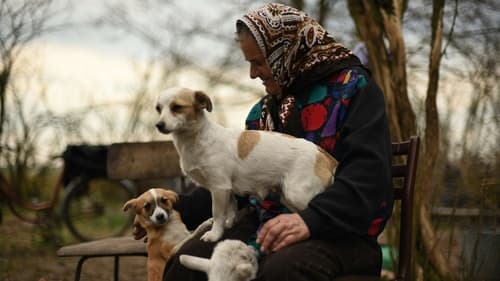
Danusia and her daughter Basia live far away from the modern world, in tune with the rhythm and laws of nature, among animals and the spirits of the dead. The peace and sense of security offered by their enclave come at a price - the women increasingly long for contact with other people. Bucolic is an affectionate observation of people who live in a different way. It evokes a curiosity about their world and a desire to take a closer look.
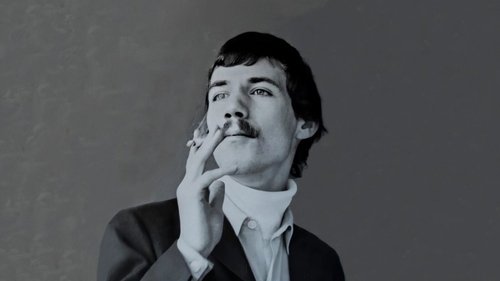
The documentary is titled after Arkadaş Z. Özger’s poem “Hello My Dear” which had caused much controversy in the period it was first published. Considered to be in defiance of heteronormativity, the said poem includes references to the poet’s personality, his family, his relationship to the society, and his “unexpected” death, which came three years after its publication. Today, 50 years after it was written, the documentary follows these same lines in the poem utilising cinematic elements. The documentary also rediscovers the poetics; reaches out to the family, the comrades, the friendships, departing from the official historical accounts, cognizant of his experience of otherness, in pursuit of the “lost” portrait of Arkadaş Z. Özger.
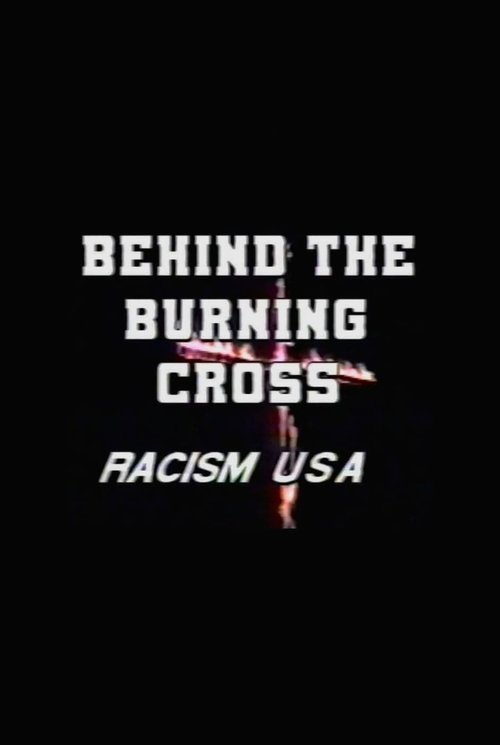
A key overview of twentieth-century American fascism and antifascism produced in 1991 by the John Brown Anti-Klan Committee.

A portrait of Baba Vanga, born Vangeliya Pandeva Dimitrova, a blind Bulgarian prophet, mystic, clairvoyant, and herbalist. Millions of people believed she possessed paranormal abilities.The first part of the documentary portrait of the prophet Baba Vanga not only as a mysterious supernatural figure, but as a living and immediate person. The second part follows the discussion between prominent Bulgarian scientists and intellectuals who, with few exceptions, completely reject Vanga's abilities and advise the film to be reworked with a view to a materialistic understanding of man. The two parts contrast Vanga, the crowds of visitors to her home and the stiffened way of thinking of the representatives of science in Bulgaria in those years. Forbidden to the general public after its first screening.
Subscribe for exclusive insights on movies, TV shows, and games! Get top picks, fascinating facts, in-depth analysis, and more delivered straight to your inbox.