
Action
Adventure
Animation
Comedy
Crime
Documentary
Drama
Family
Fantasy
History
Horror
Music
Mystery
Romance
Science Fiction
Thriller
War
Western


Geisha Yaeko is approached by a samurai who has just returned to Edo while she is painting a picture of camellia flowers in a temple. The samurai, whom she meets again at a drinking party, is the heir to the castle's daimyo, Yuuki Shinichiro, and the two become romantically involved despite their different social standings. Although he tells her he cannot marry her immediately, Yaeko believes in Shinichiro and continues to wait for the day they can be together. However, Shinichiro's uncle, Kuwajima, tells her to end the relationship.
Director: Kōsaku Yamashita
Writers: Natsu Komori
No Reviews Available

Four people recount different versions of the story of a man's murder and the rape of his wife.

Having put down his sword and given up the will to fight, the masterless samurai Iemon lives in solitude while being haunted by his violent enigmatic past...
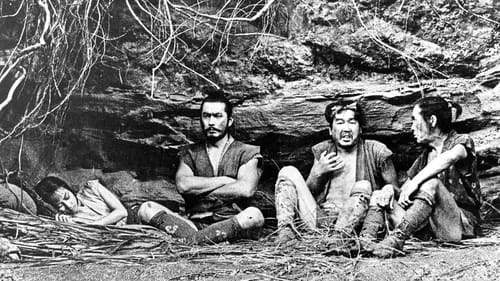
In feudal Japan, during a bloody war between clans, two cowardly and greedy peasants, soldiers of a defeated army, stumble upon a mysterious man who guides them to a fortress hidden in the mountains.

The Color Print of Edo is a 1939 black and white Japanese silent film with benshi accompaniment directed by Kazuo Mori. It is a cheerful period drama, sprinkled with comical scenes and tells the story of a loyal and handsome Edo period servant who fights to help his older brother marry the woman he loves. The star of this film, Utaemon Ichikawa, gained enormous popularity for his portrayal of a cheerful and chivalrous man.
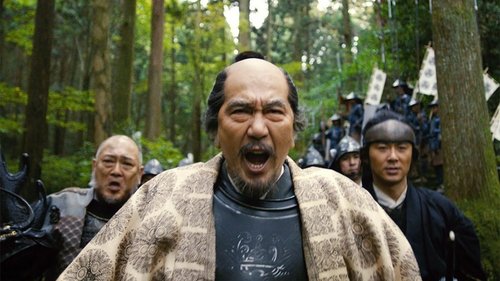
The background to and depiction of a watershed battle in Japanese history, at Sekigahara in 1600, when Tokugawa Ieyasu's Army of the East defeated the Army of the West of Ishida Mitsunari. The story includes the intrigues and shifting loyalties of the various retainers, family members, and samurai.
Subscribe for exclusive insights on movies, TV shows, and games! Get top picks, fascinating facts, in-depth analysis, and more delivered straight to your inbox.