
Action
Adventure
Animation
Comedy
Crime
Documentary
Drama
Family
Fantasy
History
Horror
Music
Mystery
Romance
Science Fiction
Thriller
War
Western
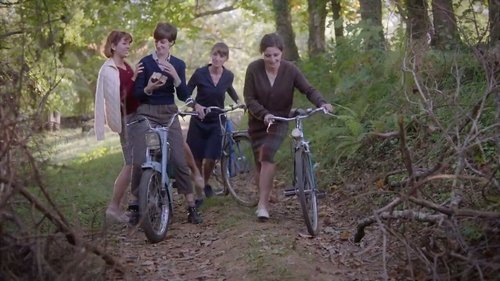
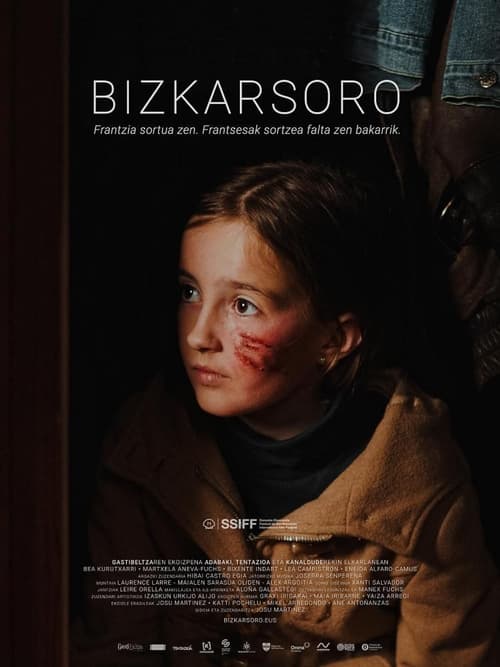
In a non-existent town, five true stories based on oral testimonials and texts by writers take place between 1914 and 1982. Through them, we see the social changes experienced throughout the 20th century by a small town in the Northern Basque Country, the deep-rootedness and approximation of a language, and the struggle for survival.
Director: Josu Martínez
Writers: Josu Martínez
No Reviews Available
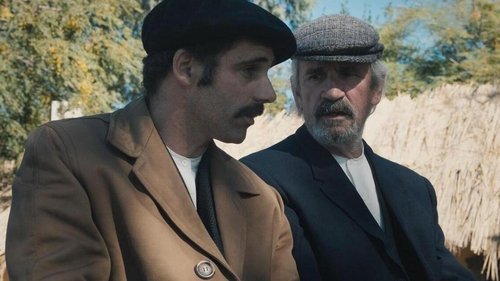
A film about the life and work of the bertsolari Pedro Mari Otaño. A journey through the exile and the rebirth of an oppressed people.
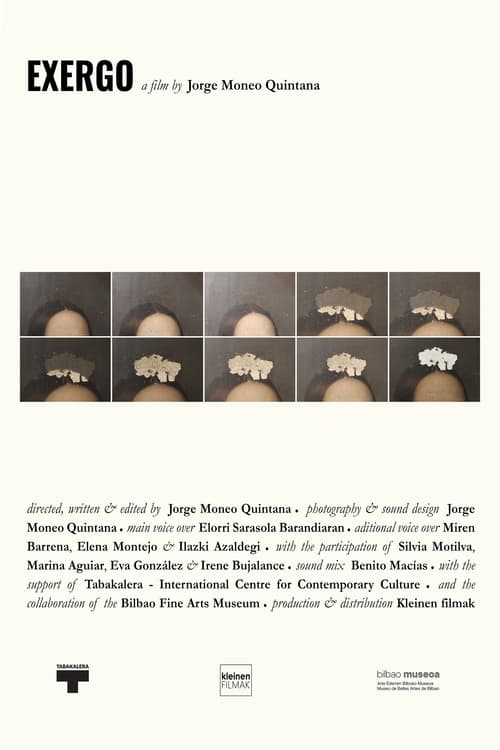
Departing from peripheral details of some paintings of the Bilbao Fine Arts Museum, a female narrator unravels several stories related to the economic, social and psychological conditions of past and current artists.
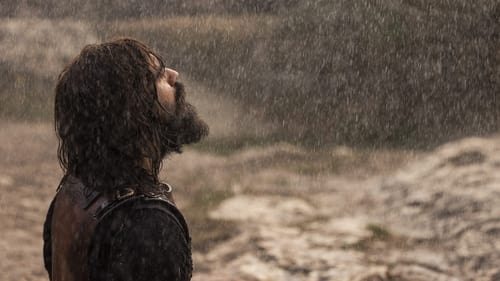
Western Pyrenees, year 778. When his land is threatened by the ruthless armies of the Frankish emperor, a Basque warlord asks for help from his ancestral gods.
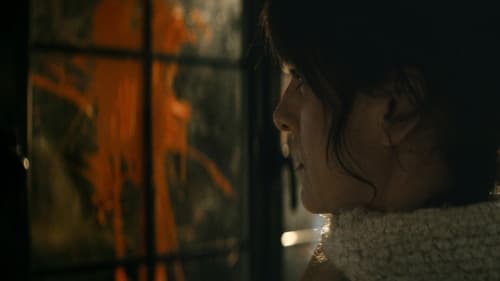
Election night. Aimar, leader of the left-wing Basque nationalist movement, returns home more tired than ever. Itziar awaits him, exhausted. At the entrance, the remnants of a protest by the radical youth of their own party. Aimar has to make a decision: Does he want to continue dedicating his life to the nationalist cause, even in the worst of times?

The personal stories lived by the Uncle, the Father and the Son, respectively, form a tragic experience that is drawn along a line in time. This line is comparable to a crease in the pages of the family album, but also to a crack in the walls of the paternal house. It resembles the open wound created when drilling into a mountain, but also a scar in the collective imaginary of a society, where the idea of salvation finds its tragic destiny in the political struggle. What is at the end of that line? Will old war songs be enough to circumvent that destiny?
Subscribe for exclusive insights on movies, TV shows, and games! Get top picks, fascinating facts, in-depth analysis, and more delivered straight to your inbox.