
Action
Adventure
Animation
Comedy
Crime
Documentary
Drama
Family
Fantasy
History
Horror
Music
Mystery
Romance
Science Fiction
Thriller
War
Western


Tensions mount in an Andalusia mining town between local Spanish workers and their British employers.
Director: Antonio Cuadri
Writers: Antonio Cuadri, Shelley Miller, Doc Comparato
No screenshots available
No Reviews Available
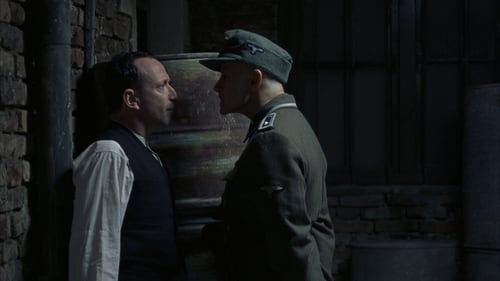
The story of Auschwitz's twelfth Sonderkommando — one of the thirteen consecutive "Special Squads" of Jewish prisoners placed by the Nazis in the excruciating moral dilemma of assisting in the extermination of fellow Jews in exchange for a few more months of life.
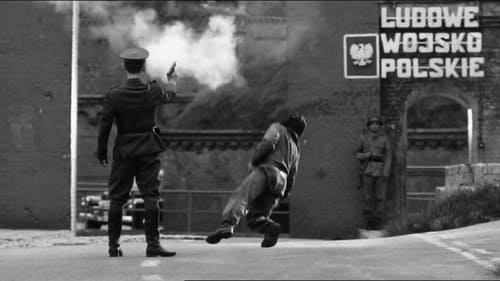
The film depicts the momentous and tragic history of the Poznan uprising of 1956. The memory of the director, who was a nine-year-old boy at the time, is the only canvass of the script. The main characters of the black-and-white film are two boys aged ten and twelve. From their perspective, the viewer follows the development of events. From the depths of the gates, through the rails of fences and cluttered backyards, through the eyes of the children we watch the street riots. The film, without action in the literal sense of the word, was made using a reportage technique that perfectly captures the spontaneity of the Poznan uprising. Among other things, the author of the picture depicts the adventures of a young worker Zenek, who becomes the unwitting leader of the protest, and five professors, who by chance find themselves in the very center of events.
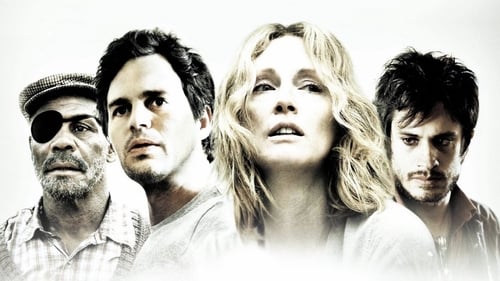
When a sudden plague of blindness devastates a city, a small group of the afflicted band together to triumphantly overcome the horrific conditions of their imposed quarantine.

A drama set in 1956, during the unsuccessful Hungarian uprising against the Russians.
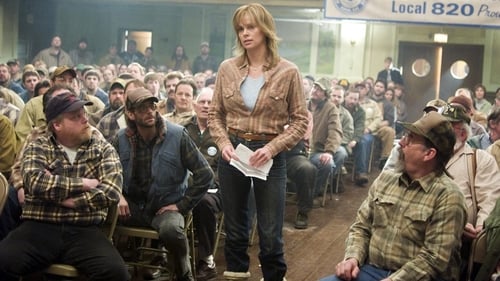
A fictionalized account of the first major successful sexual harassment case in the United States — Jenson vs. Eveleth Mines, where a woman who endured a range of abuse while working as a miner filed and won the landmark 1984 lawsuit.
Subscribe for exclusive insights on movies, TV shows, and games! Get top picks, fascinating facts, in-depth analysis, and more delivered straight to your inbox.